


- Afhalen na 1 uur in een winkel met voorraad
- Gratis thuislevering in België vanaf € 30
- Ruim aanbod met 7 miljoen producten
- Afhalen na 1 uur in een winkel met voorraad
- Gratis thuislevering in België vanaf € 30
- Ruim aanbod met 7 miljoen producten





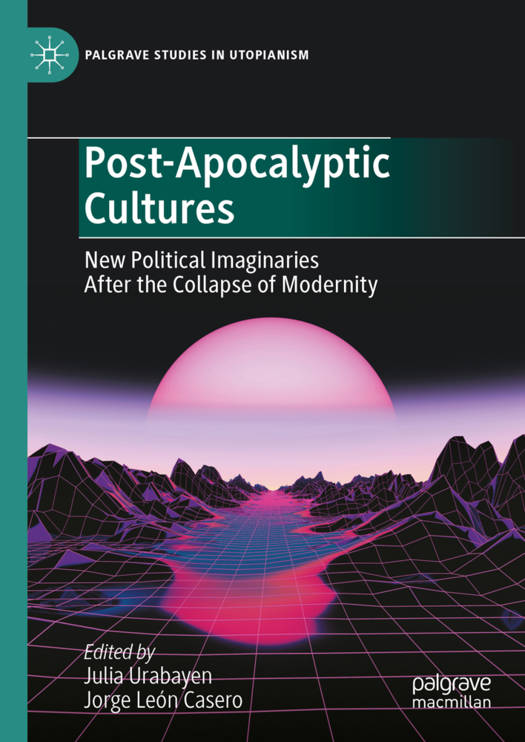
Post-Apocalyptic Cultures
New Political Imaginaries After the Collapse of Modernity
€ 151,95
+ 303 punten
Omschrijving
This book advocates for the necessity of recovering the value of utopias as political projects that open new channels of action. The criticism of modern political utopias is based on the supposed impossibility of creating for the future because there is no longer a future (apocalyptic ideology). However, this edited collection seeks to show that the post-apocalyptic world in which we live entails a renewed freedom of design for the radical reorganization of institutions. Post-apocalyptic cultures are not obligated to follow the capitalist, anthropocentric, correlationist and sovereign modes of the old political project of emancipation--the Western enlightenment--that has started to collapse. With this in mind, this book is divided into four sections dedicated to the main themes from which to rethink the projects of political emancipation that are possible nowadays: technopolitics; posthumanist biopolitics; non-western politicsl and the crossover between arts and politics.
Specificaties
Betrokkenen
- Uitgeverij:
Inhoud
- Aantal bladzijden:
- 288
- Taal:
- Engels
- Reeks:
Eigenschappen
- Productcode (EAN):
- 9783031505096
- Verschijningsdatum:
- 20/03/2024
- Uitvoering:
- Hardcover
- Formaat:
- Genaaid
- Afmetingen:
- 148 mm x 210 mm
- Gewicht:
- 521 g

Alleen bij Standaard Boekhandel
+ 303 punten op je klantenkaart van Standaard Boekhandel
Cadeau

AANGERADEN


Beoordelingen
We publiceren alleen reviews die voldoen aan de voorwaarden voor reviews. Bekijk onze voorwaarden voor reviews.