


- Afhalen na 1 uur in een winkel met voorraad
- Gratis thuislevering in België vanaf € 30
- Ruim aanbod met 7 miljoen producten
- Afhalen na 1 uur in een winkel met voorraad
- Gratis thuislevering in België vanaf € 30
- Ruim aanbod met 7 miljoen producten





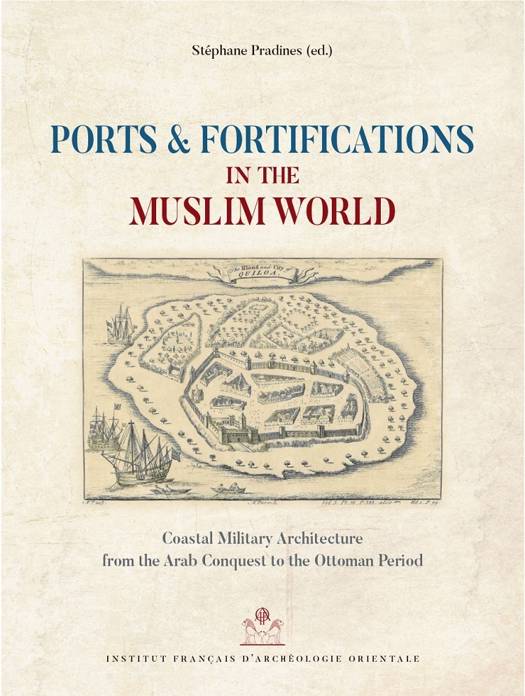
Ports & Fortifications in the Muslim World
Coastal Military Architecture from the Arab Conquest to the Ottoman Period
Stéphane Pradines
€ 45,00
+ 90 punten
Omschrijving
Ports have been extremely important locations in Muslim memory since the time of the Prophet. Islam was spread through trading networks such as the overland Silk Road and the maritime Spice Route, and also by pilgrimage that combined travel by land with sea voyages. The coast is a contact zone between land and sea. A distinct coastal culture develops in ports, since they are stops on travel routes and centers of contact and exchange between civilizations. Fortifications were built at ports to protect trade as well as safeguard the traders and the merchandise. These fortifications played an active role in the economy, both as fortified gateways serving as customs houses and as city walls enclosing cargo depots. The walls and citadels of coastal cities were major symbols of prestige and wealth. Politically, ports are strategic points subject to conquest. The study of coastal military architecture helps us to understand the Muslim expansion from the Mediterranean Sea to the Indian Ocean on the longue duree from the Arab conquest to the Ottoman period.
Specificaties
Betrokkenen
- Auteur(s):
- Uitgeverij:
Inhoud
- Aantal bladzijden:
- 256
- Taal:
- Engels
- Reeks:
- Reeksnummer:
- nr. 85
Eigenschappen
- Productcode (EAN):
- 9782724707656
- Verschijningsdatum:
- 31/12/2020
- Uitvoering:
- Hardcover
- Formaat:
- Genaaid
- Afmetingen:
- 244 mm x 325 mm
- Gewicht:
- 1238 g



Alleen bij Standaard Boekhandel
+ 90 punten op je klantenkaart van Standaard Boekhandel
Cadeau

AANGERADEN


Beoordelingen
We publiceren alleen reviews die voldoen aan de voorwaarden voor reviews. Bekijk onze voorwaarden voor reviews.