


- Afhalen na 1 uur in een winkel met voorraad
- Gratis thuislevering in België vanaf € 30
- Ruim aanbod met 7 miljoen producten
- Afhalen na 1 uur in een winkel met voorraad
- Gratis thuislevering in België vanaf € 30
- Ruim aanbod met 7 miljoen producten




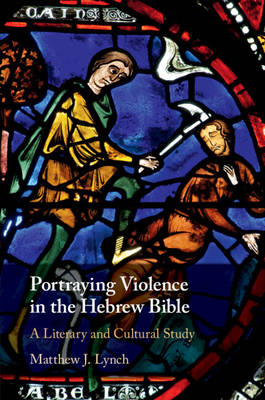
Portraying Violence in the Hebrew Bible
A Literary and Cultural Study
Matthew J Lynch
Paperback | Engels
€ 49,45
+ 98 punten
Omschrijving
Most studies on violence in the Hebrew Bible focus on the question of how modern readers should approach the problem. But they fail to ask how the Hebrew Bible thinks about that problem in the first place. In this work, Matthew J. Lynch examines four key ways that writers of the Hebrew Bible conceptualize and critique acts of violence: violence as an ecological problem; violence as a moral problem; violence as a judicial problem; violence as a purity problem. These four 'grammars of violence' help us interpret crucial biblical texts where violence plays a lead role, like Genesis 4-9. Lynch's volume also offers readers ways to examine cultural continuity and the distinctiveness of biblical conceptions of violence.
Specificaties
Betrokkenen
- Auteur(s):
- Uitgeverij:
Inhoud
- Aantal bladzijden:
- 306
- Taal:
- Engels
Eigenschappen
- Productcode (EAN):
- 9781108714471
- Verschijningsdatum:
- 1/09/2022
- Uitvoering:
- Paperback
- Formaat:
- Trade paperback (VS)
- Afmetingen:
- 152 mm x 229 mm
- Gewicht:
- 449 g


Alleen bij Standaard Boekhandel
+ 98 punten op je klantenkaart van Standaard Boekhandel
Cadeau

AANGERADEN


Beoordelingen
We publiceren alleen reviews die voldoen aan de voorwaarden voor reviews. Bekijk onze voorwaarden voor reviews.