


- Afhalen na 1 uur in een winkel met voorraad
- Gratis thuislevering in België vanaf € 30
- Ruim aanbod met 7 miljoen producten
- Afhalen na 1 uur in een winkel met voorraad
- Gratis thuislevering in België vanaf € 30
- Ruim aanbod met 7 miljoen producten





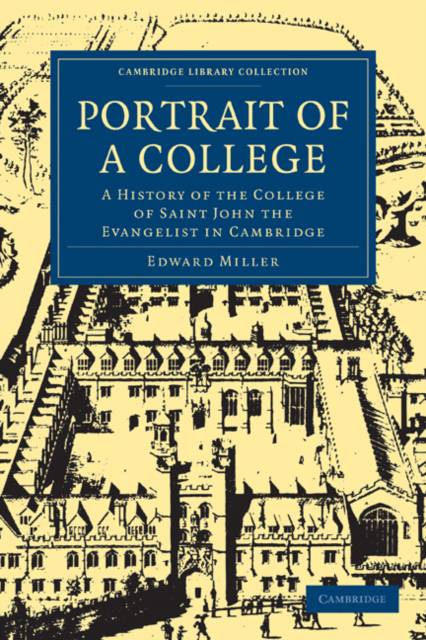
Portrait of a College
A History of the College of Saint John the Evangelist in Cambridge
Edward Miller
€ 26,95
+ 53 punten
Omschrijving
This affectionate but far from sentimental history was published in 1961 to mark the 450th anniversary of the foundation of St John's College, Cambridge. Edward Miller (1915-2000) was a medieval historian who spent most of his career teaching in Cambridge. An undergraduate and research fellow at St John's, he later went on to become Master of Fitzwilliam. His Portrait blends the history of St John's with wider developments in education, as well as social, political and economic history. As such it is a fine example of an institutional history written from within, with an unbiased assessment of the many changes the College had seen. The chapter on the period from 1918 to the early sixties, based on Miller's own reminiscences and those of his colleagues, is an important record of life in the college in an age of modernisation and change.
Specificaties
Betrokkenen
- Auteur(s):
- Uitgeverij:
Inhoud
- Aantal bladzijden:
- 184
- Taal:
- Engels
- Reeks:
Eigenschappen
- Productcode (EAN):
- 9781108003544
- Verschijningsdatum:
- 20/07/2009
- Uitvoering:
- Paperback
- Formaat:
- Trade paperback (VS)
- Afmetingen:
- 156 mm x 234 mm
- Gewicht:
- 267 g


Alleen bij Standaard Boekhandel
+ 53 punten op je klantenkaart van Standaard Boekhandel
Cadeau

AANGERADEN


Beoordelingen
We publiceren alleen reviews die voldoen aan de voorwaarden voor reviews. Bekijk onze voorwaarden voor reviews.