


- Afhalen na 1 uur in een winkel met voorraad
- Gratis thuislevering in België vanaf € 30
- Ruim aanbod met 7 miljoen producten
- Afhalen na 1 uur in een winkel met voorraad
- Gratis thuislevering in België vanaf € 30
- Ruim aanbod met 7 miljoen producten





€ 22,45
+ 44 punten
Omschrijving
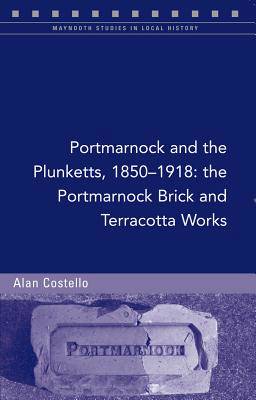
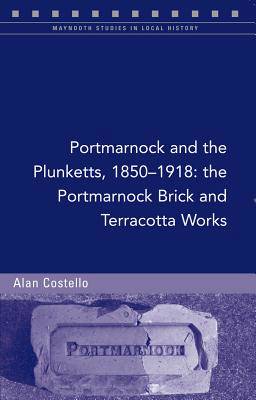
This short book presents a picture of Portmarnock, County Dublin, as an important local center for the manufacture of brick and terracotta during the Victorian period. The outstanding material products produced by the Portmarnock Brick and Terracotta Works were such that many of the most significant architects of the day specified them by name, and many remarkable buildings of the period were constructed and decorated using Portmarnock's striking red brick and molded terracotta. The owners of the Portmarnock Brick and Terracotta Works - the Plunketts of Portmarnock - are presented as more than local landowners or entrepreneurs, but rather as selfless economic nationalists during a period of significant change in Ireland, both politically and economically. Combining impressive, varied, and inventive primary sources, the book responds to Maurice Craig's assertion that the relationship between buildings and geology is often ignored in Irish history. The result is the illumination of a little known and largely unrecorded part of the country's architectural and social history. (Series: Maynooth Studies in Local History - Vol. 106)
Specificaties
Betrokkenen
- Auteur(s):
- Uitgeverij:
Inhoud
- Aantal bladzijden:
- 64
- Taal:
- Engels
- Reeks:
- Reeksnummer:
- nr. 106
Eigenschappen
- Productcode (EAN):
- 9781846824036
- Verschijningsdatum:
- 30/09/2013
- Uitvoering:
- Paperback
- Formaat:
- Trade paperback (VS)
- Afmetingen:
- 133 mm x 210 mm
- Gewicht:
- 113 g


Alleen bij Standaard Boekhandel
+ 44 punten op je klantenkaart van Standaard Boekhandel
Cadeau

AANGERADEN


Beoordelingen
We publiceren alleen reviews die voldoen aan de voorwaarden voor reviews. Bekijk onze voorwaarden voor reviews.