


- Afhalen na 1 uur in een winkel met voorraad
- Gratis thuislevering in België vanaf € 30
- Ruim aanbod met 7 miljoen producten
- Afhalen na 1 uur in een winkel met voorraad
- Gratis thuislevering in België vanaf € 30
- Ruim aanbod met 7 miljoen producten





€ 97,45
+ 194 punten
Omschrijving
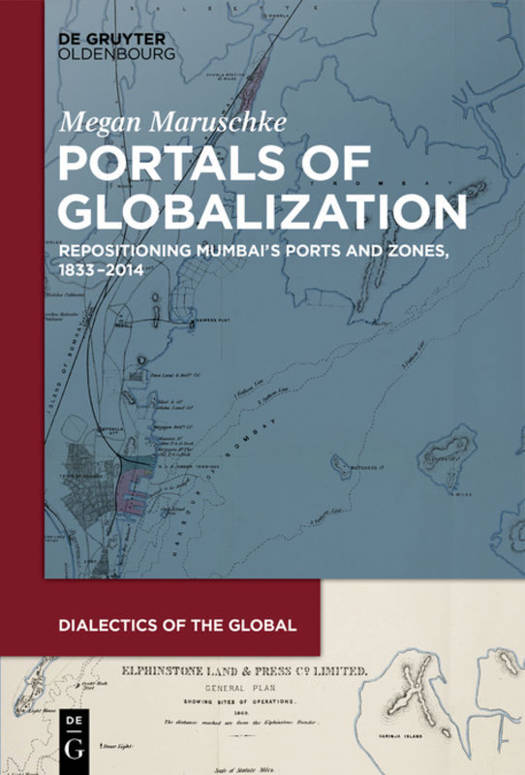
While ports are traditionally considered national infrastructure sites that connect states to global markets, special economic zones and past free ports are portrayed as threats to national sovereignty. This book calls these narratives into question as it explores the history of planning Mumbai's ports and free zones during periods of global and regional transition from the British Raj, to national independence, to economic liberalization. The book opens with a study of an unsuccessful plan hatched by merchants in 1833 to make Bombay a free port to deal with an emerging British India and the advent of free trade. The book ends with how India's current special economic zones and emphasis on port expansion are part of broader goals to reposition India in transregional Asian trade, to connect Mumbai with northern India, and to enact local plans for a global city that threaten the very port that first connected Mumbai to the world. To understand the functionality of these port and zone projects beyond typical policy prescriptions, this book proposes portals of globalization as a spatial format that fosters processes of reterritorialization.
Specificaties
Betrokkenen
- Auteur(s):
- Uitgeverij:
Inhoud
- Aantal bladzijden:
- 266
- Taal:
- Engels
- Reeks:
- Reeksnummer:
- nr. 2
Eigenschappen
- Productcode (EAN):
- 9783110612219
- Verschijningsdatum:
- 4/06/2019
- Uitvoering:
- Hardcover
- Formaat:
- Genaaid
- Afmetingen:
- 160 mm x 234 mm
- Gewicht:
- 498 g


Alleen bij Standaard Boekhandel
+ 194 punten op je klantenkaart van Standaard Boekhandel
Cadeau

AANGERADEN


Beoordelingen
We publiceren alleen reviews die voldoen aan de voorwaarden voor reviews. Bekijk onze voorwaarden voor reviews.