


- Afhalen na 1 uur in een winkel met voorraad
- Gratis thuislevering in België vanaf € 30
- Ruim aanbod met 7 miljoen producten
- Afhalen na 1 uur in een winkel met voorraad
- Gratis thuislevering in België vanaf € 30
- Ruim aanbod met 7 miljoen producten




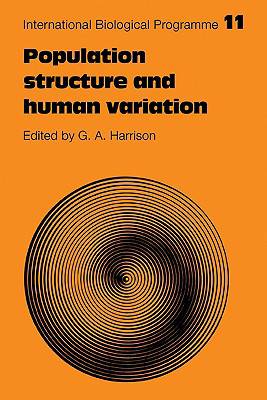
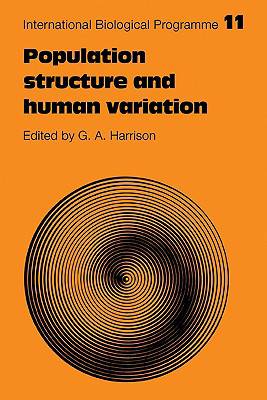
Population Structure and Human Variation
€ 74,95
+ 149 punten
Omschrijving
First published in 1977, this volume is a collection of eleven studies conducted during the International Biological Programme on the biological structure of human populations. They deal particularly with population genetics, demography and ecology, and discuss the experimental strategies to be adopted when making such studies. Each chapter is in the form of a broad review aimed at those wanting to understand human population biology. The volume is an international one, both in terms of its authorship and of the populations studied, and the projects discussed represent the whole variety of problems and approaches tackled by the IBP investigators interested in population biology. In short, this book represents an excellent evaluation of human biology in the mid-twentieth century. It will be of importance to university teachers, research workers and graduate students in anthropology and human biology.
Specificaties
Betrokkenen
- Uitgeverij:
Inhoud
- Aantal bladzijden:
- 364
- Taal:
- Engels
- Reeks:
- Reeksnummer:
- nr. 11
Eigenschappen
- Productcode (EAN):
- 9780521112628
- Verschijningsdatum:
- 4/06/2009
- Uitvoering:
- Paperback
- Formaat:
- Trade paperback (VS)
- Afmetingen:
- 152 mm x 229 mm
- Gewicht:
- 530 g

Alleen bij Standaard Boekhandel
+ 149 punten op je klantenkaart van Standaard Boekhandel
AANGERADEN


Beoordelingen
We publiceren alleen reviews die voldoen aan de voorwaarden voor reviews. Bekijk onze voorwaarden voor reviews.