


- Afhalen na 1 uur in een winkel met voorraad
- Gratis thuislevering in België vanaf € 30
- Ruim aanbod met 7 miljoen producten
- Afhalen na 1 uur in een winkel met voorraad
- Gratis thuislevering in België vanaf € 30
- Ruim aanbod met 7 miljoen producten





€ 91,95
+ 183 punten
Omschrijving
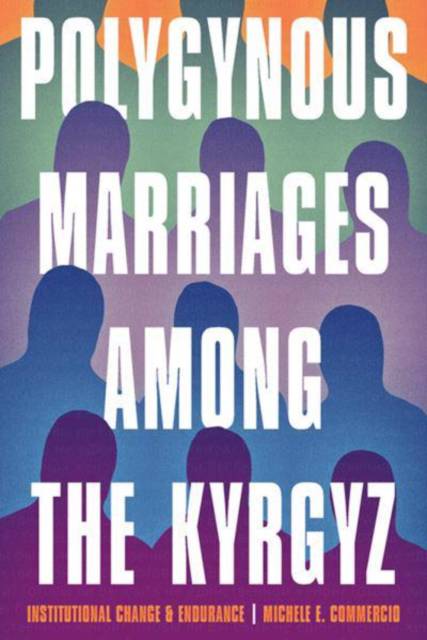
During Soviet rule, the state all but imposed atheism on the primarily Islamic people of Kyrgyzstan and limited the tradition of polygyny--a form of polygamy in which one man has multiple wives. Polygyny did continue under communism, though chiefly under concealment. In the decades since the fall of the Soviet Union, the practice has reemerged. Based on extensive fieldwork, Polygynous Marriages among the Kyrgyz argues that this marriage practice has become socially acceptable and widely dispersed not only because it is rooted in customary law and Islamic practice, but because it can also enable men and women to meet societal expectations and solve practical economic problems that resulted from the fall of the Soviet Union. Michele E. Commercio's analysis suggests the normalization of polygyny among the Kyrgyz in contemporary Kyrgyzstan is due both to institutional change in the form of altered governmental rules and expectations and to institutional endurance in the form of persistent hegemonic constructions of gender.
Specificaties
Betrokkenen
- Auteur(s):
- Uitgeverij:
Inhoud
- Aantal bladzijden:
- 284
- Taal:
- Engels
- Reeks:
Eigenschappen
- Productcode (EAN):
- 9780822947530
- Verschijningsdatum:
- 6/12/2022
- Uitvoering:
- Hardcover
- Formaat:
- Genaaid
- Afmetingen:
- 152 mm x 232 mm
- Gewicht:
- 598 g



Alleen bij Standaard Boekhandel
+ 183 punten op je klantenkaart van Standaard Boekhandel
Cadeau

AANGERADEN


Beoordelingen
We publiceren alleen reviews die voldoen aan de voorwaarden voor reviews. Bekijk onze voorwaarden voor reviews.