


- Afhalen na 1 uur in een winkel met voorraad
- Gratis thuislevering in België vanaf € 30
- Ruim aanbod met 7 miljoen producten
- Afhalen na 1 uur in een winkel met voorraad
- Gratis thuislevering in België vanaf € 30
- Ruim aanbod met 7 miljoen producten





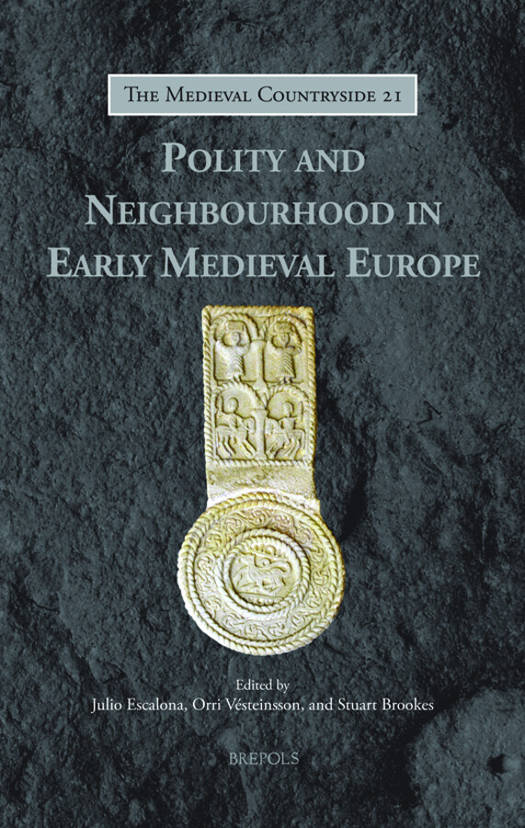
Polity and Neighbourhood in Early Medieval Europe
Julio Escalona Monge
€ 127,20
+ 254 punten
Omschrijving
How were early medieval people connected to each other and to the wider world? In this collection, archaeologists and historians working in very different areas of early medieval Europe explore diverse evidence--from landscape and burial archaeology to charters and chronicles--to discuss the relationships that constituted neighbourhoods and the roles these played in the processes of state formation that can be observed in the peripheries of the Frankish world. What these case-studies teach us, the contributors argue, is that polities are formed not through the exclusive operation of either top-down or bottom-up agencies, but from the interplay between them. By exploring the ways in which local knowledge, social ties, and understandings of landscape interacted with higher-level authorities and institutions, we can gain real insights into the nature of early medieval power and people's experiences of it. Marking the culmination of a collective effort that has spanned over a decade and three funded projects, this volume brings together case-studies from Spain, Italy, England, northern Frankia, Norway, and Iceland to offer a comparative view of polities and neighbourhoods in early medieval Europe. Drawing on new research, and offering new perspectives driven by an interdisciplinary approach, this volume is of relevance to a range of disciplines including archaeology, history, onomastics, geography, and anthropology
Specificaties
Betrokkenen
- Auteur(s):
- Uitgeverij:
Inhoud
- Aantal bladzijden:
- 425
- Taal:
- Engels
- Reeks:
- Reeksnummer:
- nr. 21
Eigenschappen
- Productcode (EAN):
- 9782503581682
- Verschijningsdatum:
- 30/09/2019
- Uitvoering:
- Hardcover
- Formaat:
- Genaaid
- Afmetingen:
- 165 mm x 239 mm
- Gewicht:
- 907 g


Alleen bij Standaard Boekhandel
+ 254 punten op je klantenkaart van Standaard Boekhandel
Cadeau

AANGERADEN


Beoordelingen
We publiceren alleen reviews die voldoen aan de voorwaarden voor reviews. Bekijk onze voorwaarden voor reviews.