


- Afhalen na 1 uur in een winkel met voorraad
- Gratis thuislevering in België vanaf € 30
- Ruim aanbod met 7 miljoen producten
- Afhalen na 1 uur in een winkel met voorraad
- Gratis thuislevering in België vanaf € 30
- Ruim aanbod met 7 miljoen producten





€ 124,45
+ 248 punten
Uitvoering
Omschrijving
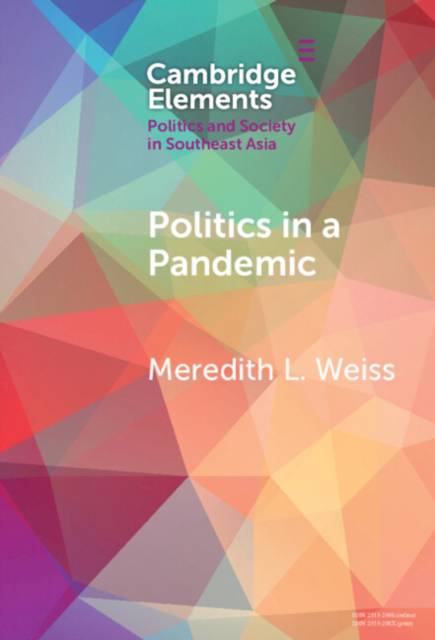
The COVID-19 pandemic offers unique insight into how regimes govern in 'hard times.' In Southeast Asia, public health and economic strain revealed the scope for adaptation in the face of crisis, against the pull of path-dependent habits and patterns. Recent experience of SARS and other outbreaks, as well as wider political and economic contexts, shaped readiness and responses. Especially important were legacies of the developmental-state model. Even largely absent a prior welfarist turn, core developmentalist attributes helped foster citizen buy-in and compliance: how efficiently and well states could coordinate provision of necessary infrastructure, spur biomedical innovation, marshal resources, tamp down political pressure, and constrain rent-seeking, all while maintaining popular trust. Also salient to pandemic governance were the actual distribution of authority, beyond what institutional structures imply, and the extent to which state-society relations, including habits of coercion or rent-seeking, encourage more or less programmatic or confidence-building frames and approaches.
Specificaties
Betrokkenen
- Auteur(s):
- Uitgeverij:
Inhoud
- Aantal bladzijden:
- 98
- Taal:
- Engels
- Reeks:
Eigenschappen
- Productcode (EAN):
- 9781009479318
- Verschijningsdatum:
- 8/01/2026
- Uitvoering:
- Hardcover
- Formaat:
- Genaaid
- Afmetingen:
- 152 mm x 229 mm
- Gewicht:
- 303 g


Alleen bij Standaard Boekhandel
+ 248 punten op je klantenkaart van Standaard Boekhandel
Cadeau

AANGERADEN


Beoordelingen
We publiceren alleen reviews die voldoen aan de voorwaarden voor reviews. Bekijk onze voorwaarden voor reviews.