


- Afhalen na 1 uur in een winkel met voorraad
- Gratis thuislevering in België vanaf € 30
- Ruim aanbod met 7 miljoen producten
- Afhalen na 1 uur in een winkel met voorraad
- Gratis thuislevering in België vanaf € 30
- Ruim aanbod met 7 miljoen producten





€ 36,45
+ 72 punten
Uitvoering
Omschrijving
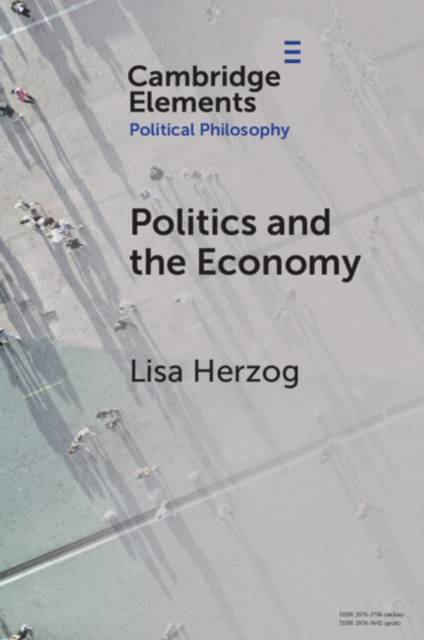
In today's societies, political and economic issues are closely intertwined, and political philosophy has turned more and more to economic issues. This Element introduces some key questions of economic philosophy: How to think about the relation between political and economic power? Can markets be 'tamed'? Which values are embedded in the economy and how do those relate to political values? It answers these questions by considering arguments from three theoretical perspectives - liberal egalitarian approaches, neorepublicanism, and critical theory or socialist thought - explaining their different background assumptions but also shared grounds. To illustrate these topics, it zooms in on the future of work: How could work be made more just, democratic, and sustainable? In the conclusion, some implications for research strategies in economic philosophy are explored.
Specificaties
Betrokkenen
- Auteur(s):
- Uitgeverij:
Inhoud
- Aantal bladzijden:
- 82
- Taal:
- Engels
- Reeks:
Eigenschappen
- Productcode (EAN):
- 9781009592413
- Verschijningsdatum:
- 22/01/2026
- Uitvoering:
- Paperback
- Formaat:
- Trade paperback (VS)
- Afmetingen:
- 152 mm x 229 mm
- Gewicht:
- 122 g


Alleen bij Standaard Boekhandel
+ 72 punten op je klantenkaart van Standaard Boekhandel
Cadeau

AANGERADEN


Beoordelingen
We publiceren alleen reviews die voldoen aan de voorwaarden voor reviews. Bekijk onze voorwaarden voor reviews.