


- Afhalen na 1 uur in een winkel met voorraad
- Gratis thuislevering in België vanaf € 30
- Ruim aanbod met 7 miljoen producten
- Afhalen na 1 uur in een winkel met voorraad
- Gratis thuislevering in België vanaf € 30
- Ruim aanbod met 7 miljoen producten





€ 91,95
+ 183 punten
Omschrijving
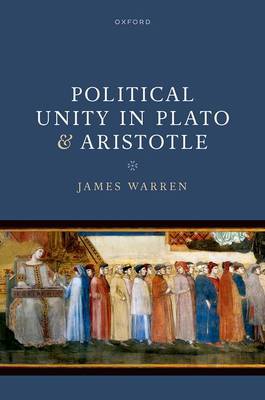
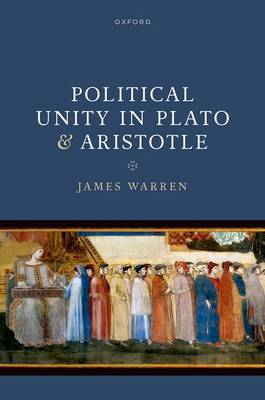
Plato and Aristotle both think that for humans to live full and flourishing lives, we must live together in political communities. They are therefore interested in their various ways in which the people in any given political community relate to one another, how they respond to or value one another, and how they conceive of their good in relation to their fellow citizens. Plato and Aristotle think that instilling and maintaining the correct beliefs and attitudes (such as 'solidarity', 'like-mindedness', and 'friendship') among the citizens is the most important mechanism to ensure that the city is 'one' and resistant to internal strife, factionalism, and perhaps the eventual dissolution of the community. This study is an investigation of the various ways in which Plato and Aristotle approach the question of political unity, how their views differ from and are alike one another, and the ways in which their views matter for continuing discussions. James Warren investigates their arguments for what kinds of relationships are important and how citizens should relate to and think about one another, work together, and feel as part of a single unified political community.
Specificaties
Betrokkenen
- Auteur(s):
- Uitgeverij:
Inhoud
- Aantal bladzijden:
- 208
- Taal:
- Engels
Eigenschappen
- Productcode (EAN):
- 9780198898320
- Verschijningsdatum:
- 6/02/2027
- Uitvoering:
- Hardcover
- Formaat:
- Genaaid
- Afmetingen:
- 156 mm x 234 mm


Alleen bij Standaard Boekhandel
+ 183 punten op je klantenkaart van Standaard Boekhandel
Cadeau

AANGERADEN


Beoordelingen
We publiceren alleen reviews die voldoen aan de voorwaarden voor reviews. Bekijk onze voorwaarden voor reviews.