


- Afhalen na 1 uur in een winkel met voorraad
- Gratis thuislevering in België vanaf € 30
- Ruim aanbod met 7 miljoen producten
- Afhalen na 1 uur in een winkel met voorraad
- Gratis thuislevering in België vanaf € 30
- Ruim aanbod met 7 miljoen producten





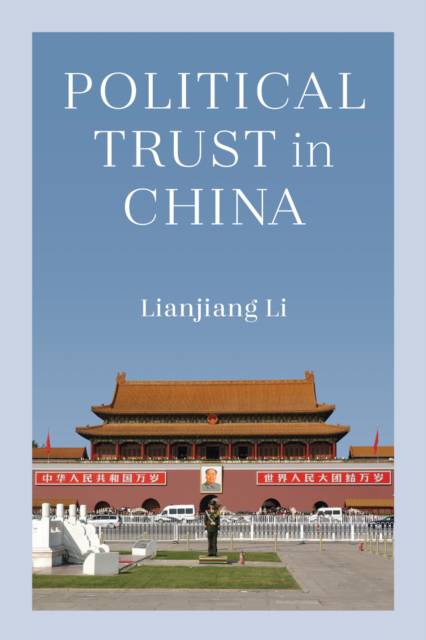
Omschrijving
The authoritarian regime in China is a prime target of the US-led war on autocracy; however, the regime claims a majority of the Chinese people trust the government, with national surveys since the 1990s supporting this assertion. How much do Chinese citizens actually trust the one-party regime? Instead of dismissing survey results, Li examines the contexts in which Chinese citizens are predisposed to say they trust the government. He argues that political trust in China is a power-accommodating and nonbinding hope rather than a rights-based and binding expectation as Chinese citizens do not have the right to grant and retract trust through free and fair elections.
Specificaties
Betrokkenen
- Auteur(s):
- Uitgeverij:
Inhoud
- Aantal bladzijden:
- 172
- Taal:
- Engels
Eigenschappen
- Productcode (EAN):
- 9780472057528
- Verschijningsdatum:
- 22/07/2025
- Uitvoering:
- Paperback
- Formaat:
- Trade paperback (VS)
- Afmetingen:
- 152 mm x 226 mm
- Gewicht:
- 258 g


Alleen bij Standaard Boekhandel
+ 67 punten op je klantenkaart van Standaard Boekhandel

Beoordelingen
We publiceren alleen reviews die voldoen aan de voorwaarden voor reviews. Bekijk onze voorwaarden voor reviews.