


- Afhalen na 1 uur in een winkel met voorraad
- Gratis thuislevering in België vanaf € 30
- Ruim aanbod met 7 miljoen producten
- Afhalen na 1 uur in een winkel met voorraad
- Gratis thuislevering in België vanaf € 30
- Ruim aanbod met 7 miljoen producten




Omschrijving
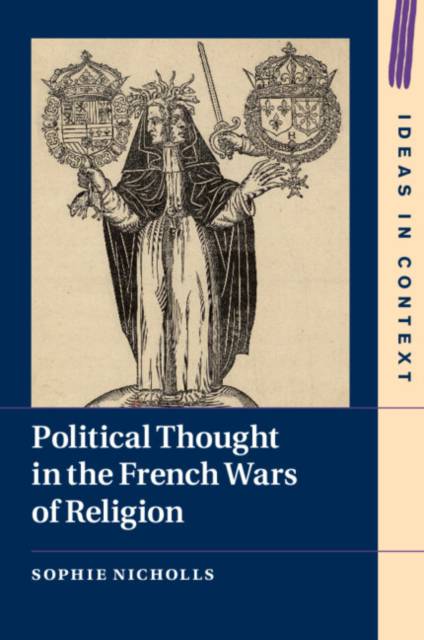
Through its close, critical reading of the political treatises and polemical literature produced in France in the sixteenth century, this book offers a valuable new contribution to the intellectual history of the Early Modern era. Sophie Nicholls analyses the political thought of the theologians and jurists in the Holy League as they pursued their crusade against heresy in the French kingdom, during the wars of religion (1562-1629). Contemporaries portrayed the Leaguers as rebellious anarchists, who harboured dangerously democratic ideas. In contrast, Nicholls demonstrates that the intellectuals in the movement were devoted royalists, who had more in common with their moderate counterparts, the 'politiques'. In paying close attention to the conceptual language of politics in this era, this book shows how jurists and theologians in the League presented visions of sovereignty that subtly replenished medieval ideas of kingship and priesthood, and endeavoured to replace them with a new synthesis of intellectual tradition and political power. In a period when 'the state' was still emerging as an idea, analysing League thought in the context of Jesuit and Second Scholastic sources positions the Leaguers in relation to innovative attempts in European Catholic circles to re-think the nature of belonging to a political community.
Specificaties
Betrokkenen
- Auteur(s):
- Uitgeverij:
Inhoud
- Aantal bladzijden:
- 284
- Taal:
- Engels
- Reeks:
Eigenschappen
- Productcode (EAN):
- 9781108743938
- Verschijningsdatum:
- 23/05/2024
- Uitvoering:
- Paperback
- Formaat:
- Trade paperback (VS)
- Afmetingen:
- 152 mm x 229 mm
- Gewicht:
- 381 g



Alleen bij Standaard Boekhandel
+ 100 punten op je klantenkaart van Standaard Boekhandel
CADEAU


Beoordelingen
We publiceren alleen reviews die voldoen aan de voorwaarden voor reviews. Bekijk onze voorwaarden voor reviews.