



- Afhalen na 1 uur in een winkel met voorraad
- In januari gratis thuislevering in België
- Ruim aanbod met 7 miljoen producten
- Afhalen na 1 uur in een winkel met voorraad
- In januari gratis thuislevering in België
- Ruim aanbod met 7 miljoen producten





€ 89,95
+ 179 punten
Omschrijving
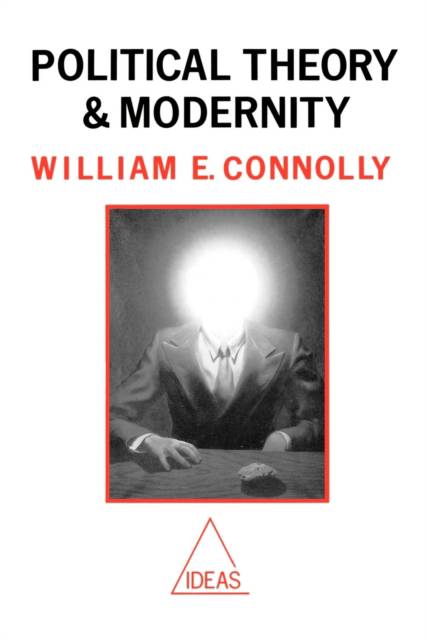
Modernity is marked by acrimonious debate over the form of the good society and the proper shape of politics. But these struggles are set within a frame that supports some arguments and rules other possibilities out of contention. If late-modernity is a time of danger as well as significant achievement, it is necessary to ask: how can we become more reflective about the economies of thought which have governed modern political discourse?
William Connolly clarifies the affinities binding together disparate theorists who have sought to comprehend the shape and prospects of modernity. He reveals how thinkers adamantly opposed to one another at one level implicitly share assumptions and demands at a more basic level; and invites Nietzsche - the thinker who disturbs modern theories by assessing them from the hypothetical perspective of a non-modern future - to expose patterns of insistence inside the theories of his predecessors.
William Connolly clarifies the affinities binding together disparate theorists who have sought to comprehend the shape and prospects of modernity. He reveals how thinkers adamantly opposed to one another at one level implicitly share assumptions and demands at a more basic level; and invites Nietzsche - the thinker who disturbs modern theories by assessing them from the hypothetical perspective of a non-modern future - to expose patterns of insistence inside the theories of his predecessors.
Specificaties
Betrokkenen
- Auteur(s):
- Uitgeverij:
Inhoud
- Aantal bladzijden:
- 212
- Taal:
- Engels
Eigenschappen
- Productcode (EAN):
- 9780631170341
- Verschijningsdatum:
- 8/01/1991
- Uitvoering:
- Paperback
- Formaat:
- Trade paperback (VS)
- Afmetingen:
- 152 mm x 229 mm
- Gewicht:
- 344 g


Alleen bij Standaard Boekhandel
+ 179 punten op je klantenkaart van Standaard Boekhandel
Cadeau

AANGERADEN


Beoordelingen
We publiceren alleen reviews die voldoen aan de voorwaarden voor reviews. Bekijk onze voorwaarden voor reviews.