


- Afhalen na 1 uur in een winkel met voorraad
- Gratis thuislevering in België vanaf € 30
- Ruim aanbod met 7 miljoen producten
- Afhalen na 1 uur in een winkel met voorraad
- Gratis thuislevering in België vanaf € 30
- Ruim aanbod met 7 miljoen producten





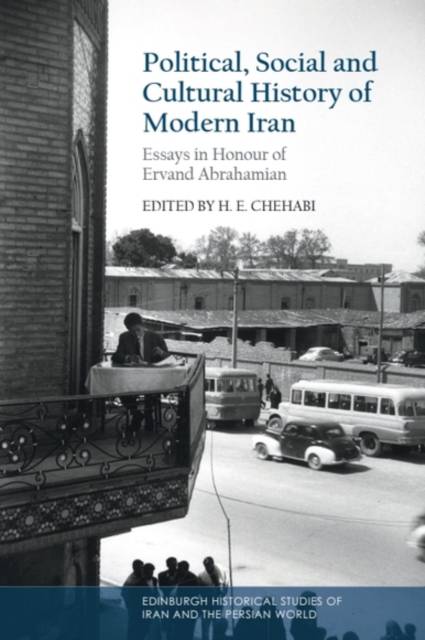
Political, Social and Cultural History of Modern Iran
Essays in Honour of Ervand Abrahamian
€ 225,95
+ 451 punten
Omschrijving
This collection of original chapters in honour of the distinguished historian Ervand Abrahamian addresses hitherto understudied topics in Iranian political, social, and cultural history from the early twentieth century to the present. The sixteen chapters fall into five categories - all areas of study to which Ervand Abrahamian made a significant contribution - which proceed from the global to the local: Part I looks at Iran's place in international politics in the early twentieth century; Part II considers key transitional periods in Iranian history; Part III focuses on national politics; Part IV examines intellectual history embedded in political change; and Part V explores social history, with an emphasis on cities. The book also includes an original interview with Ervand Abrahamian and a complete bibliography of Ervand Abrahamian's works.
Specificaties
Betrokkenen
- Uitgeverij:
Inhoud
- Aantal bladzijden:
- 464
- Taal:
- Engels
- Reeks:
Eigenschappen
- Productcode (EAN):
- 9781399544252
- Verschijningsdatum:
- 31/03/2025
- Uitvoering:
- Hardcover
- Formaat:
- Genaaid
- Afmetingen:
- 156 mm x 234 mm
- Gewicht:
- 825 g

Alleen bij Standaard Boekhandel
+ 451 punten op je klantenkaart van Standaard Boekhandel
Cadeau

AANGERADEN


Beoordelingen
We publiceren alleen reviews die voldoen aan de voorwaarden voor reviews. Bekijk onze voorwaarden voor reviews.