

- Afhalen na 1 uur in een winkel met voorraad
- Gratis thuislevering in België vanaf € 30
- Ruim aanbod met 7 miljoen producten
- Afhalen na 1 uur in een winkel met voorraad
- Gratis thuislevering in België vanaf € 30
- Ruim aanbod met 7 miljoen producten





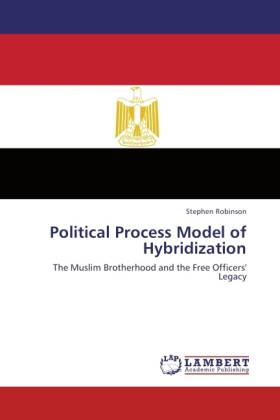
Political Process Model of Hybridization
The Muslim Brotherhood and the Free Officers' Legacy
Stephen Robinson
Paperback | Engels
€ 69,45
+ 138 punten
Omschrijving
This paper explores the complex relationship that emerged between the Muslim Brotherhood and the Egyptian regime following the Free Officers' Revolt in 1952. Robinson's comprehensive analysis of the Muslim Brotherhood traces its transition from a banned organization to the most prominent opposition force in the Egyptian parliament. Robinson's argument relies on a mixture of social movement theory - "Political Process Model" - and political theory - "regime hybridization" - while providing thorough historical analysis. The reader will gain a more accurate understanding of the role of the Muslim Brotherhood in Egyptian society, and its potential to influence Egypt's political future.
Specificaties
Betrokkenen
- Auteur(s):
- Uitgeverij:
Inhoud
- Aantal bladzijden:
- 88
- Taal:
- Engels
Eigenschappen
- Productcode (EAN):
- 9783845417790
- Verschijningsdatum:
- 1/08/2011
- Uitvoering:
- Paperback
- Afmetingen:
- 150 mm x 220 mm
- Gewicht:
- 134 g


Alleen bij Standaard Boekhandel
+ 138 punten op je klantenkaart van Standaard Boekhandel
CADEAU


Beoordelingen
We publiceren alleen reviews die voldoen aan de voorwaarden voor reviews. Bekijk onze voorwaarden voor reviews.