


- Afhalen na 1 uur in een winkel met voorraad
- Gratis thuislevering in België vanaf € 30
- Ruim aanbod met 7 miljoen producten
- Afhalen na 1 uur in een winkel met voorraad
- Gratis thuislevering in België vanaf € 30
- Ruim aanbod met 7 miljoen producten





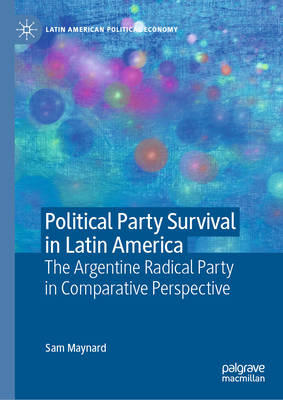
Political Party Survival in Latin America
The Argentine Radical Party in Comparative Perspective
Sam Maynard
€ 151,95
+ 303 punten
Eenvoudig bestellen
Veilig betalen


Gratis thuislevering vanaf € 30 (via bpost)
Gratis levering in je Standaard Boekhandel
Omschrijving
This book develops a new framework for explaining how political parties survive severe crises in Latin America. Challenging accounts that equate survival with electoral recovery, it argues that endurance emerges from elite incentives shaped by territorial depth, organizational routines, and shifting strategic opportunities. The analysis centers on Argentina's Radical Civic Union, showing how subnational structures and legislative footholds anchored elites after national collapse and enabled a gradual adaptation toward coalition-based relevance, culminating in the successful Cambiemos alliance in 2015. Comparative cases from Venezuela, Peru, and Costa Rica reveal why parties with similar histories failed to adapt. The concluding chapter applies the framework to Argentina's contemporary realignment under Javier Milei, demonstrating how outsider disruption once again pushes the UCR toward strategies rooted in its organizational inheritance. Across these chapters, the book offers a theory of party survival that explains not only why some parties endure without national recovery, but also how they reinvent their political purpose in fragmented political systems.
Specificaties
Betrokkenen
- Auteur(s):
- Uitgeverij:
Inhoud
- Aantal bladzijden:
- 146
- Taal:
- Engels
- Reeks:
Eigenschappen
- Productcode (EAN):
- 9783032224064
- Verschijningsdatum:
- 20/06/2026
- Uitvoering:
- Hardcover
- Formaat:
- Genaaid
- Afmetingen:
- 148 mm x 210 mm


Alleen bij Standaard Boekhandel
+ 303 punten op je klantenkaart van Standaard Boekhandel
CADEAU

AANGERADEN


Beoordelingen
We publiceren alleen reviews die voldoen aan de voorwaarden voor reviews. Bekijk onze voorwaarden voor reviews.