


- Afhalen na 1 uur in een winkel met voorraad
- Gratis thuislevering in België vanaf € 30
- Ruim aanbod met 7 miljoen producten
- Afhalen na 1 uur in een winkel met voorraad
- Gratis thuislevering in België vanaf € 30
- Ruim aanbod met 7 miljoen producten





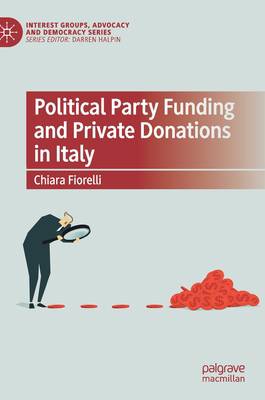
Political Party Funding and Private Donations in Italy
Chiara Fiorelli
€ 75,95
+ 151 punten
Omschrijving
Despite any evidence against it, political parties still represent the most important collective actor in a democratic political system. Their role in representing pluralism and their electoral centrality is not undermined, even when it is strongly questioned. As long as political parties can be understood as representative actors articulating political demands, this book focuses on the capacity of Italian political parties to mobilize resources and financial resources in particular. Through the analysis of private financial donations to political parties, a neglected source of information that will be fundamental in the near future, the author assesses their connective capability with specific interests' representatives in the last decades in order to provide evidence of their changing representational role as collective actors.
Specificaties
Betrokkenen
- Auteur(s):
- Uitgeverij:
Inhoud
- Aantal bladzijden:
- 156
- Taal:
- Engels
- Reeks:
Eigenschappen
- Productcode (EAN):
- 9783030738686
- Verschijningsdatum:
- 12/09/2021
- Uitvoering:
- Hardcover
- Formaat:
- Genaaid
- Afmetingen:
- 148 mm x 210 mm
- Gewicht:
- 353 g


Alleen bij Standaard Boekhandel
+ 151 punten op je klantenkaart van Standaard Boekhandel
Cadeau

AANGERADEN


Beoordelingen
We publiceren alleen reviews die voldoen aan de voorwaarden voor reviews. Bekijk onze voorwaarden voor reviews.