


- Afhalen na 1 uur in een winkel met voorraad
- Gratis thuislevering in België vanaf € 30
- Ruim aanbod met 7 miljoen producten
- Afhalen na 1 uur in een winkel met voorraad
- Gratis thuislevering in België vanaf € 30
- Ruim aanbod met 7 miljoen producten




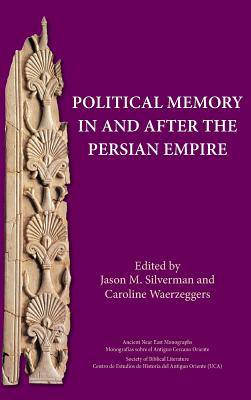
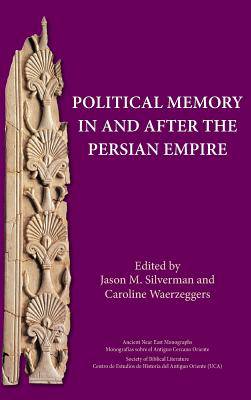
Political Memory in and after the Persian Empire
€ 142,45
+ 284 punten
Omschrijving
Various disciplines that deal with Achaemenid rule offer starkly different assessments of Persian kingship. While Assyriologists treat Cyrus's heirs as legitimate successors of the Babylonian kings, biblical scholars often speak of a "kingless era" in which the priesthood took over the function of the Davidic monarch. Egyptologists see their land as uniquely independently minded despite conquests, while Hellenistic scholarship tends to evaluate the interface between Hellenism and native traditions without reference to the previous two centuries of Persian rule. This volume brings together in dialogue a broad array of scholars with the goal of seeking a broader context for assessing Persian kingship through the anthropological concept of political memory.
Specificaties
Betrokkenen
- Uitgeverij:
Inhoud
- Aantal bladzijden:
- 516
- Taal:
- Engels
- Reeks:
- Reeksnummer:
- nr. 13
Eigenschappen
- Productcode (EAN):
- 9780884140900
- Verschijningsdatum:
- 4/12/2015
- Uitvoering:
- Hardcover
- Formaat:
- Genaaid
- Afmetingen:
- 152 mm x 229 mm
- Gewicht:
- 925 g

Alleen bij Standaard Boekhandel
+ 284 punten op je klantenkaart van Standaard Boekhandel
AANGERADEN


Beoordelingen
We publiceren alleen reviews die voldoen aan de voorwaarden voor reviews. Bekijk onze voorwaarden voor reviews.