


- Afhalen na 1 uur in een winkel met voorraad
- Gratis thuislevering in België vanaf € 30
- Ruim aanbod met 7 miljoen producten
- Afhalen na 1 uur in een winkel met voorraad
- Gratis thuislevering in België vanaf € 30
- Ruim aanbod met 7 miljoen producten





€ 24,45
+ 48 punten
Uitvoering
Omschrijving
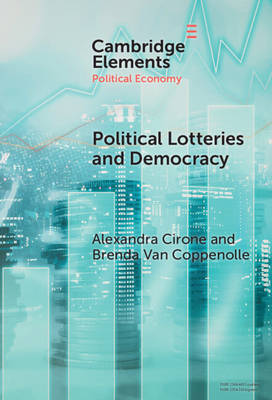
Across history, lotteries were used in political selection to combat corruption, ideological polarization, and inequity in access to governance. Today, democracy seems to be facing similar challenges - are lotteries a potential solution? This Element responds to recent calls to incorporate lotteries in democracy, by analyzing historical cases of their use. We focus on the rationale behind and benefits of lotteries - to prevent elite capture, equalize access to power, and improve deliberation - and then the details of their implementation. Drawing on academic research, our chapters analyze the use of lottery-based selection in pre-modern Greece and medieval Florence, and present original micro-level empirical data on lottery-based selection in the construction of the 1848 Danish constitution and in parliaments in 19th century Europe. We conclude with a discussion of how these analyses inform the use of lotteries in modern day governance. This title is also available as Open Access on Cambridge Core.
Specificaties
Betrokkenen
- Auteur(s):
- Uitgeverij:
Inhoud
- Aantal bladzijden:
- 75
- Taal:
- Engels
- Reeks:
Eigenschappen
- Productcode (EAN):
- 9781009278195
- Verschijningsdatum:
- 30/09/2026
- Uitvoering:
- Paperback
- Formaat:
- Trade paperback (VS)


Alleen bij Standaard Boekhandel
+ 48 punten op je klantenkaart van Standaard Boekhandel
Cadeau

AANGERADEN


Beoordelingen
We publiceren alleen reviews die voldoen aan de voorwaarden voor reviews. Bekijk onze voorwaarden voor reviews.