


- Afhalen na 1 uur in een winkel met voorraad
- Gratis thuislevering in België vanaf € 30
- Ruim aanbod met 7 miljoen producten
- Afhalen na 1 uur in een winkel met voorraad
- Gratis thuislevering in België vanaf € 30
- Ruim aanbod met 7 miljoen producten





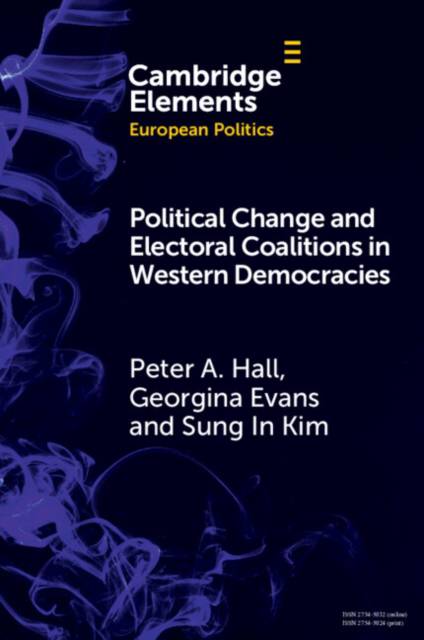
Political Change and Electoral Coalitions in Western Democracies
Peter A Hall, Georgina Evans, Sung In Kim
€ 33,45
+ 66 punten
Omschrijving
This Element documents long-term changes in the political attitudes of occupational groups, shifts in the salience of economic and cultural issues, and the movement of political parties in the electoral space from 1990 to 2018 in eight Western democracies. We evaluate prominent contentions about how electoral contestation has changed and why support for mainstream parties has declined while support for challenger parties has increased. We contribute a new analysis of how the viability of the types of electoral coalitions assembled by center-left, center-right, radical-right, and Green parties changes over these decades. We find that their viability is affected by changes over time in citizens' attitudes to economic and cultural issues and shifts in the relative salience of those issues. We examine the contribution these developments make to declining support for mainstream center-left and center-right coalitions and increasing support for coalitions underpinning radical-right and Green parties.
Specificaties
Betrokkenen
- Auteur(s):
- Uitgeverij:
Inhoud
- Aantal bladzijden:
- 75
- Taal:
- Engels
- Reeks:
Eigenschappen
- Productcode (EAN):
- 9781009431347
- Verschijningsdatum:
- 10/08/2023
- Uitvoering:
- Paperback
- Formaat:
- Trade paperback (VS)
- Afmetingen:
- 152 mm x 229 mm
- Gewicht:
- 136 g



Alleen bij Standaard Boekhandel
+ 66 punten op je klantenkaart van Standaard Boekhandel
AANGERADEN


Beoordelingen
We publiceren alleen reviews die voldoen aan de voorwaarden voor reviews. Bekijk onze voorwaarden voor reviews.