


- Afhalen na 1 uur in een winkel met voorraad
- Gratis thuislevering in België vanaf € 30
- Ruim aanbod met 7 miljoen producten
- Afhalen na 1 uur in een winkel met voorraad
- Gratis thuislevering in België vanaf € 30
- Ruim aanbod met 7 miljoen producten





€ 124,45
+ 248 punten
Uitvoering
Omschrijving
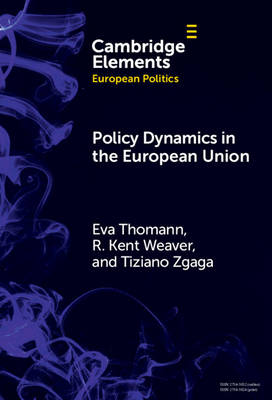
In multilevel governance systems, member states work together to address cross-border problems, yet people still lack a clear understanding of how and why their policies differ or converge. Existing research offers many explanations but often treats them separately or overstates the EU's independent influence. This Element brings these perspectives together in a single framework of policy dynamics. It distinguishes policy areas shaped mainly by EU institutions or member states, or by their interaction. It introduces an actor-centered typology of policy dynamics - stable patterns of actors, incentives, and mechanisms that shape policy over time. The Element shows that these dynamics matter only when governments, interest groups, and NGOs have the incentives, capacity, and leverage to build coalitions and pursue goals. The policy dynamics framework helps learners identify likely causal mechanisms and supports clearer comparison, explanation, and teaching of EU policymaking. This title is also available as Open Access on Cambridge Core.
Specificaties
Betrokkenen
- Auteur(s):
- Uitgeverij:
Inhoud
- Aantal bladzijden:
- 106
- Taal:
- Engels
- Reeks:
Eigenschappen
- Productcode (EAN):
- 9781009625159
- Verschijningsdatum:
- 14/05/2026
- Uitvoering:
- Hardcover
- Formaat:
- Genaaid
- Afmetingen:
- 152 mm x 229 mm
- Gewicht:
- 312 g


Alleen bij Standaard Boekhandel
+ 248 punten op je klantenkaart van Standaard Boekhandel
Cadeau

AANGERADEN


Beoordelingen
We publiceren alleen reviews die voldoen aan de voorwaarden voor reviews. Bekijk onze voorwaarden voor reviews.