


- Afhalen na 1 uur in een winkel met voorraad
- Gratis thuislevering in België vanaf € 30
- Ruim aanbod met 7 miljoen producten
- Afhalen na 1 uur in een winkel met voorraad
- Gratis thuislevering in België vanaf € 30
- Ruim aanbod met 7 miljoen producten





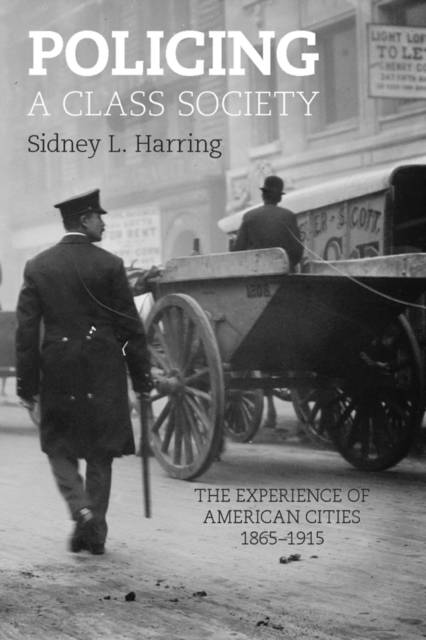
Policing a Class Society
The Experience of American Cities, 1865-1915
Sidney L Harring
Paperback | Engels
€ 27,95
+ 55 punten
Omschrijving
Police are popularly understood as the "thin blue line" that "serves and protects" us from violence and crime in the pursuit of justice. In Policing a Class Society, Sidney L. Harring provides an essential corrective to the ideas that police have always been around, that they are a force for deterring crime, or that theyhave an interest in the pursuit of justice. Looking at the growth of the urban police force around the turn of the 20th century, Harring argues that the police protected the interestsof manufacturers, working almost as hired guns. Rather than fighting crime, the historical role of police was to control the leisure activity of the devloping working-class and maintainthe existing order of capitalist relationships.
Specificaties
Betrokkenen
- Auteur(s):
- Uitgeverij:
Inhoud
- Aantal bladzijden:
- 316
- Taal:
- Engels
Eigenschappen
- Productcode (EAN):
- 9781608468546
- Verschijningsdatum:
- 31/10/2017
- Uitvoering:
- Paperback
- Formaat:
- Trade paperback (VS)
- Afmetingen:
- 147 mm x 224 mm
- Gewicht:
- 430 g


Alleen bij Standaard Boekhandel
+ 55 punten op je klantenkaart van Standaard Boekhandel
Cadeau

AANGERADEN


Beoordelingen
We publiceren alleen reviews die voldoen aan de voorwaarden voor reviews. Bekijk onze voorwaarden voor reviews.