


- Afhalen na 1 uur in een winkel met voorraad
- Gratis thuislevering in België vanaf € 30
- Ruim aanbod met 7 miljoen producten
- Afhalen na 1 uur in een winkel met voorraad
- Gratis thuislevering in België vanaf € 30
- Ruim aanbod met 7 miljoen producten





€ 138,95
+ 277 punten
Omschrijving
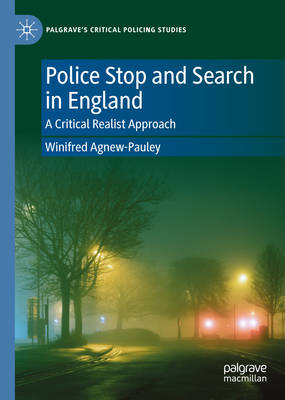
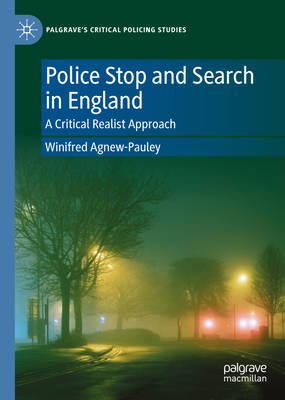
This book offers a critical realist analysis of police stop and search practices in England, examining the underlying mechanisms that drive both intended and unintended outcomes. Stop and search remain controversial: seen by many as necessary for preventing crime, yet criticised for perpetuating harm through racial discrimination and strained police-community relationships. Drawing on ethnographic fieldwork, interviews with police officers and stakeholders, and quantitative analysis of stop and search data, the book identifies the contextual factors and generative mechanisms that shape how stop and search is used and what outcomes it produces. It reveals how historical tensions between police and marginalised communities, inconsistent political messaging, and an emphasis on low-level drug enforcement contribute to disproportionate targeting of ethnic minorities and socio-economically disadvantaged areas. The research uncovers several significant mechanisms. Officer identity plays a central role: for 'proactive' officers, stop and search is embedded in their professional self-conception. Neighbourhood bias drives operational decisions, leading to over-policing of stigmatised areas. A disconnect exists between officers' protective justifications and the reality that most stops target young men for minor cannabis possession rather than serious offending. By examining how contextual factors and generative mechanisms interact, the book provides a comprehensive framework for understanding stop and search in England and internationally. It demonstrates why procedural reforms consistently fail and that meaningful change requires addressing the deep-rooted structures that generate harmful outcomes.
Specificaties
Betrokkenen
- Auteur(s):
- Uitgeverij:
Inhoud
- Taal:
- Engels
- Reeks:
Eigenschappen
- Productcode (EAN):
- 9783032270627
- Verschijningsdatum:
- 25/07/2026
- Uitvoering:
- Hardcover
- Formaat:
- Genaaid
- Afmetingen:
- 148 mm x 210 mm


Alleen bij Standaard Boekhandel
+ 277 punten op je klantenkaart van Standaard Boekhandel
Cadeau

AANGERADEN


Beoordelingen
We publiceren alleen reviews die voldoen aan de voorwaarden voor reviews. Bekijk onze voorwaarden voor reviews.