


- Afhalen na 1 uur in een winkel met voorraad
- Gratis thuislevering in België vanaf € 30
- Ruim aanbod met 7 miljoen producten
- Afhalen na 1 uur in een winkel met voorraad
- Gratis thuislevering in België vanaf € 30
- Ruim aanbod met 7 miljoen producten





€ 343,45
+ 686 punten
Omschrijving
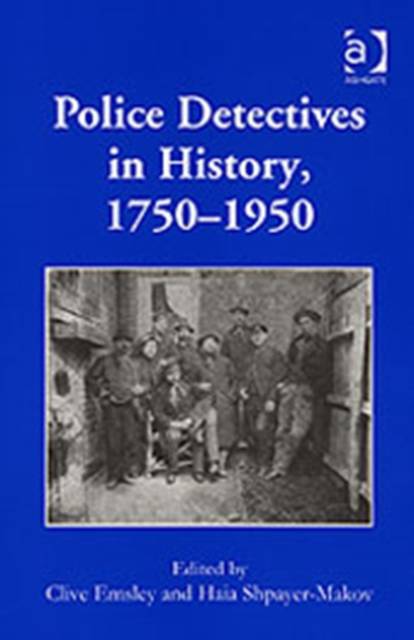
Tracing hitherto unexplored aspects of the evolution of official detective agencies between the late eighteenth and the twentieth century, this is the first book to discuss detective agencies in a variety of national contexts, including England, France, the U.S.A, New Zealand, and Germany. The comparative studies included in this collection provide new insights into the development of both plainclothes policing and law enforcement in general, illuminating the historical importance of bureaucratic and administrative changes that occurred within the state system.
Specificaties
Betrokkenen
- Auteur(s):
- Uitgeverij:
Inhoud
- Aantal bladzijden:
- 266
- Taal:
- Engels
Eigenschappen
- Productcode (EAN):
- 9780754639480
- Verschijningsdatum:
- 27/07/2006
- Uitvoering:
- Hardcover
- Formaat:
- Genaaid
- Afmetingen:
- 156 mm x 234 mm
- Gewicht:
- 548 g



Alleen bij Standaard Boekhandel
+ 686 punten op je klantenkaart van Standaard Boekhandel
Cadeau

AANGERADEN


Beoordelingen
We publiceren alleen reviews die voldoen aan de voorwaarden voor reviews. Bekijk onze voorwaarden voor reviews.