


- Afhalen na 1 uur in een winkel met voorraad
- Gratis thuislevering in België vanaf € 30
- Ruim aanbod met 7 miljoen producten
- Afhalen na 1 uur in een winkel met voorraad
- Gratis thuislevering in België vanaf € 30
- Ruim aanbod met 7 miljoen producten





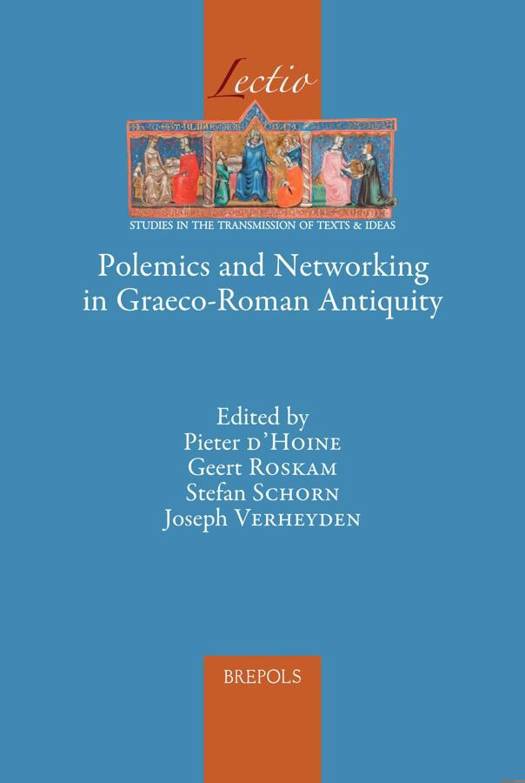
Polemics and Networking in Graeco-Roman Antiquity
Pieter d'Hoine
€ 116,60
+ 233 punten
Omschrijving
Disagreement, rivalry and dispute are essential to any intellectual development. This holds true for ancient cultures no less than for us today. From the classical period to the Hellenistic age and to Late Antiquity, competition and polemics have shaped the course of intellectual history in Antiquity. Polemical encounters and controversies are often linked to group identities and intellectual networks such as philosophical schools, textual traditions, artistic circles and religious communities. This collection of studies sprang from the ambition to study the interplay between polemics and intellectual networks from a variety of perspectives and disciplines. The volume gathers fifteen case studies by leading scholars and young researchers alike. They address a wide range of topics, from the Old Academy and the Hellenistic schools to the Neoplatonic commentators of Late Antiquity, from biographical literature to literary criticism, from artistic manuals to scientific treatises, and from pagans to Christians. As multi-sided as the picture that emerges from these case studies may be, they all testify to the fact that implicit and explicit polemics are ubiquitous in ancient Greek and Roman literature and have served as triggers of intellectual progress across times and disciplinary boundaries.
Specificaties
Betrokkenen
- Auteur(s):
- Uitgeverij:
Inhoud
- Aantal bladzijden:
- 528
- Taal:
- Engels
- Reeks:
- Reeksnummer:
- nr. 12
Eigenschappen
- Productcode (EAN):
- 9782503596884
- Verschijningsdatum:
- 10/03/2022
- Uitvoering:
- Hardcover
- Formaat:
- Genaaid
- Afmetingen:
- 165 mm x 242 mm
- Gewicht:
- 1020 g


Alleen bij Standaard Boekhandel
+ 233 punten op je klantenkaart van Standaard Boekhandel
Cadeau

AANGERADEN


Beoordelingen
We publiceren alleen reviews die voldoen aan de voorwaarden voor reviews. Bekijk onze voorwaarden voor reviews.