


- Afhalen na 1 uur in een winkel met voorraad
- Gratis thuislevering in België vanaf € 30
- Ruim aanbod met 7 miljoen producten
- Afhalen na 1 uur in een winkel met voorraad
- Gratis thuislevering in België vanaf € 30
- Ruim aanbod met 7 miljoen producten





€ 303,95
+ 607 punten
Uitvoering
Eenvoudig bestellen
Veilig betalen


Gratis thuislevering vanaf € 30 (via bpost)
Gratis levering in je Standaard Boekhandel
Omschrijving
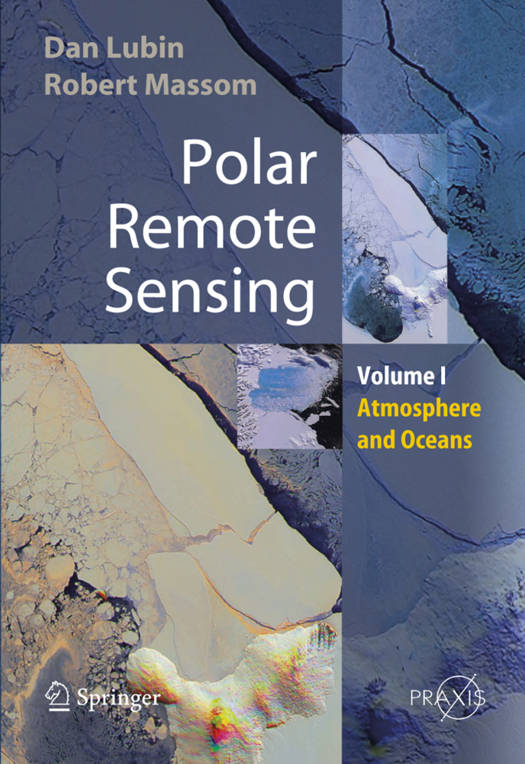
The most consistent signatures of climate warming have occurred at northern high latitudes (IPCC, 2001), and the potential impacts of a few degrees increase in surface temperature include a reduction in sea ice extent, a positive feedback to climate warming due to lowering of surface albedo, and changes to surface runo?
Specificaties
Betrokkenen
- Auteur(s):
- Uitgeverij:
Inhoud
- Aantal bladzijden:
- 756
- Taal:
- Engels
- Reeks:
Eigenschappen
- Productcode (EAN):
- 9783662499764
- Verschijningsdatum:
- 23/08/2016
- Uitvoering:
- Paperback
- Afmetingen:
- 168 mm x 39 mm
- Gewicht:
- 1686 g


Alleen bij Standaard Boekhandel
+ 607 punten op je klantenkaart van Standaard Boekhandel
CADEAU

AANGERADEN


Beoordelingen
We publiceren alleen reviews die voldoen aan de voorwaarden voor reviews. Bekijk onze voorwaarden voor reviews.