


- Afhalen na 1 uur in een winkel met voorraad
- Gratis thuislevering in België vanaf € 30
- Ruim aanbod met 7 miljoen producten
- Afhalen na 1 uur in een winkel met voorraad
- Gratis thuislevering in België vanaf € 30
- Ruim aanbod met 7 miljoen producten





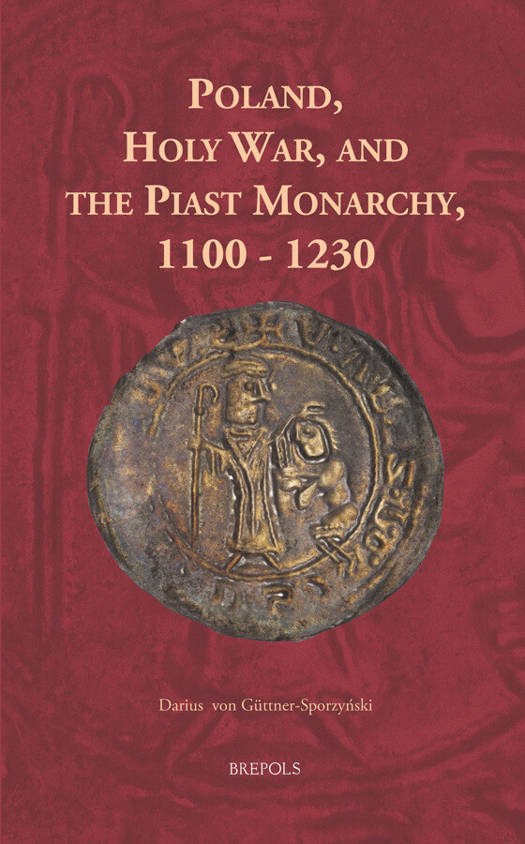
Poland, Holy War, and the Piast Monarchy, 1100-1230
Darius von Güttner-Sporzyński
€ 100,70
+ 201 punten
Omschrijving
This study charts the evolution of the ideology of holy war and crusading in medieval Poland through Polish incursions into the Baltic, the last bastion of paganism in Europe. It traces the transmission of the idea of holy war and crusade to north central Europe, explaining its impact on political and religious life in Poland, and Polish missionary and crusading activity in Prussia, Pomerelia, and Pomerania. Holy war and crusade helped influence state formation, politics, and dynastic succession. Key mechanisms by which the idea of holy war was transmitted to Poland are examined and compelling evidence is provided that the Polish elites were highly familiar with, and receptive to, the idea of crusade. The Polish elites were deliberate participants in Christian holy wars and undertook various crusading activities during the twelfth century. The influence of the idea of holy war on the actions of the Polish dynasts and the central role of women in the establishment of family traditions of participating in crusading are examined in some detail. Furthermore, this book explores the conditions that enabled the cause of the Christianization of Prussia to be taken up by the Teutonic Order by tracing the divergence of the idea of holy war in the Piast realm away from the norms of Latin Christendom in the late twelfth and early thirteenth centuries. This work offers new perspectives for international studies of warfare sanctioned by religion.
Specificaties
Betrokkenen
- Auteur(s):
- Uitgeverij:
Inhoud
- Aantal bladzijden:
- 308
- Taal:
- Frans
- Reeks:
- Reeksnummer:
- nr. 14
Eigenschappen
- Productcode (EAN):
- 9782503547947
- Verschijningsdatum:
- 3/09/2014
- Uitvoering:
- Hardcover
- Formaat:
- Genaaid
- Afmetingen:
- 160 mm x 239 mm
- Gewicht:
- 657 g


Alleen bij Standaard Boekhandel
+ 201 punten op je klantenkaart van Standaard Boekhandel
Cadeau

AANGERADEN


Beoordelingen
We publiceren alleen reviews die voldoen aan de voorwaarden voor reviews. Bekijk onze voorwaarden voor reviews.