


- Afhalen na 1 uur in een winkel met voorraad
- Gratis thuislevering in België vanaf € 30
- Ruim aanbod met 7 miljoen producten
- Afhalen na 1 uur in een winkel met voorraad
- Gratis thuislevering in België vanaf € 30
- Ruim aanbod met 7 miljoen producten





€ 67,95
+ 135 punten
Omschrijving
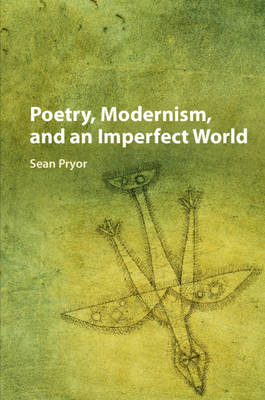
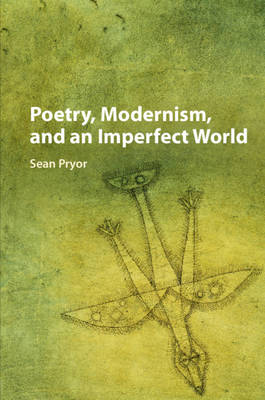
Diverse modernist poems, far from advertising a capacity to prefigure utopia or save society, understand themselves to be complicit in the unhappiness and injustice of an imperfect or fallen world. Combining analysis of technical devices and aesthetic values with broader accounts of contemporary critical debates, social contexts, and political history, this book offers a formalist argument about how these poems understand themselves and their situation, and a historicist argument about the meanings of their forms. The poetry of the canonical modernists T. S. Eliot, Mina Loy, and Wallace Stevens is placed alongside the poetry of Ford Madox Ford, better known for his novels and his criticism, and the poetry of Joseph Macleod, whose work has been largely forgotten. Focusing on the years from 1914 to 1930, the book offers a new account of a crucial moment in the history of British and American modernism.
Specificaties
Betrokkenen
- Auteur(s):
- Uitgeverij:
Inhoud
- Aantal bladzijden:
- 228
- Taal:
- Engels
Eigenschappen
- Productcode (EAN):
- 9781316635629
- Verschijningsdatum:
- 11/03/2021
- Uitvoering:
- Paperback
- Formaat:
- Trade paperback (VS)
- Afmetingen:
- 152 mm x 229 mm
- Gewicht:
- 308 g


Alleen bij Standaard Boekhandel
+ 135 punten op je klantenkaart van Standaard Boekhandel
Cadeau

AANGERADEN


Beoordelingen
We publiceren alleen reviews die voldoen aan de voorwaarden voor reviews. Bekijk onze voorwaarden voor reviews.