


- Afhalen na 1 uur in een winkel met voorraad
- Gratis thuislevering in België vanaf € 30
- Ruim aanbod met 7 miljoen producten
- Afhalen na 1 uur in een winkel met voorraad
- Gratis thuislevering in België vanaf € 30
- Ruim aanbod met 7 miljoen producten





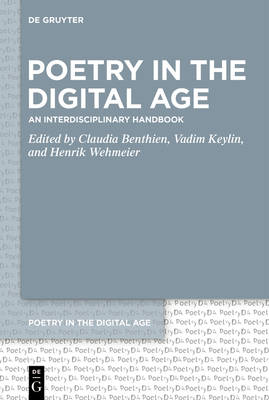
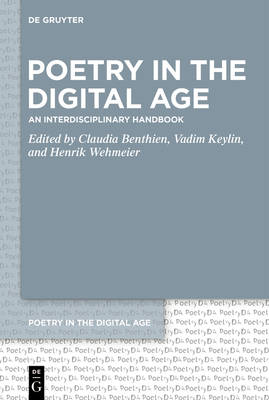
Poetry in the Digital Age
An Interdisciplinary Handbook
€ 153,95
+ 307 punten
Eenvoudig bestellen
Veilig betalen


Gratis thuislevering vanaf € 30 (via bpost)
Gratis levering in je Standaard Boekhandel
Omschrijving
As a multifaceted and intermedial phenomenon, poetry in the digital age not only demands a rethinking and expansion of the traditional paradigms of literary studies but also attracts increasing attention from other humanities. This interdisciplinary handbook is thus addressed both to literary scholars and to the broadest academic audience interested in contemporary poetry research. It offers 50 contributions by an international collective of authors that highlight the diversity of contemporary poetry, examining it from a wide variety of complementing theoretical and methodological angles.
The handbook focuses on contemporary modes of poetry presentation that are often located beyond the book, e.g., on stages, in public spaces, as multi- as well as transmedia publications, or on digital platforms. Such intermedial poetic practices, which may supplement poetic language with elements borrowed from music, visual art, cinema, or theater and performance, are transforming the forms and functions of poetry. It four parts thus (1) adapt established concepts and parameters of poetry research to the digital age, (2) explore established genres and emerging formats, (3) introduce interdisciplinary perspectives and new research fields, and (4) engage in current debates.
Specificaties
Betrokkenen
- Uitgeverij:
Inhoud
- Aantal bladzijden:
- 630
- Taal:
- Engels
- Reeks:
- Reeksnummer:
- nr. 5
Eigenschappen
- Productcode (EAN):
- 9783111694061
- Verschijningsdatum:
- 1/12/2025
- Uitvoering:
- Hardcover
- Formaat:
- Genaaid
- Afmetingen:
- 156 mm x 234 mm
- Gewicht:
- 1079 g

Alleen bij Standaard Boekhandel
+ 307 punten op je klantenkaart van Standaard Boekhandel
CADEAU

AANGERADEN


Beoordelingen
We publiceren alleen reviews die voldoen aan de voorwaarden voor reviews. Bekijk onze voorwaarden voor reviews.