


- Afhalen na 1 uur in een winkel met voorraad
- Gratis thuislevering in België vanaf € 30
- Ruim aanbod met 7 miljoen producten
- Afhalen na 1 uur in een winkel met voorraad
- Gratis thuislevering in België vanaf € 30
- Ruim aanbod met 7 miljoen producten




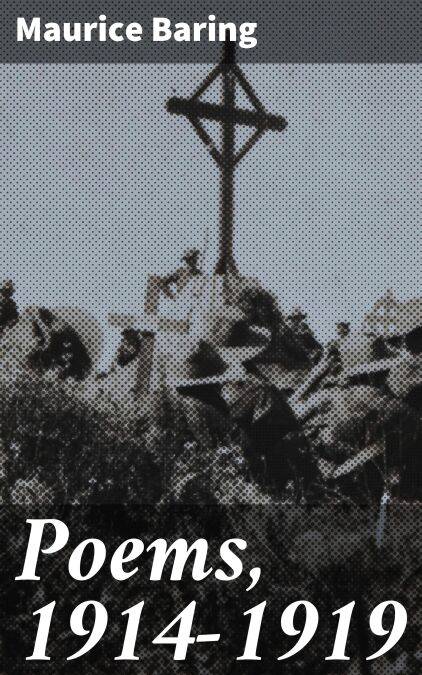
Poems, 1914-1919 E-BOOK
Reflections on the Human Cost of Conflict in World War I Poetry
Maurice Baring
E-book | Engels
€ 1,99
+ 1 punten
Omschrijving
In "Poems, 1914-1919," Maurice Baring captures the tumultuous emotions and stark realities of World War I through a tapestry of lyrical verse. Baring's literary style is marked by its poignant imagery and reflective tone, blending modernist sensibilities with traditional poetic forms. The collection explores themes of loss, love, and the existential crisis wrought by war, offering a personal perspective on a collective catastrophe. In the context of early 20th-century literature, Baring'Äôs work stands alongside contemporaries who grappled with the profound impact of global conflict on the human spirit. Maurice Baring, a multifaceted figure in literature and the arts, was deeply influenced by his own experiences and connections to the war. As a British soldier and a man of letters, his insights into the psychological aftermath of combat inform the emotional depth of his poetry. Baring'Äôs network of friendships with other notable writers and artists of his time, combined with his rich cultural background, allows his work to resonate with authenticity and urgency, reflecting the sentiments of a generation caught in an unprecedented crisis. This collection is highly recommended for readers interested in the intersection of art and war, who seek a profound understanding of the human condition in the face of adversity. Baring's verses not only serve as a historical record but also invite contemplation of the enduring emotional resonance of conflict, making this book an essential addition to the canon of Great War literature.
Specificaties
Betrokkenen
- Auteur(s):
- Uitgeverij:
Inhoud
- Aantal bladzijden:
- 176
- Taal:
- Engels
Eigenschappen
- Productcode (EAN):
- 4064066248116
- Verschijningsdatum:
- 4/12/2019
- Uitvoering:
- E-book
- Beveiligd met:
- Digital watermarking
- Formaat:
- ePub


Alleen bij Standaard Boekhandel
+ 1 punten op je klantenkaart van Standaard Boekhandel
Cadeau

AANGERADEN


Beoordelingen
We publiceren alleen reviews die voldoen aan de voorwaarden voor reviews. Bekijk onze voorwaarden voor reviews.