


- Afhalen na 1 uur in een winkel met voorraad
- Gratis thuislevering in België vanaf € 30
- Ruim aanbod met 7 miljoen producten
- Afhalen na 1 uur in een winkel met voorraad
- Gratis thuislevering in België vanaf € 30
- Ruim aanbod met 7 miljoen producten





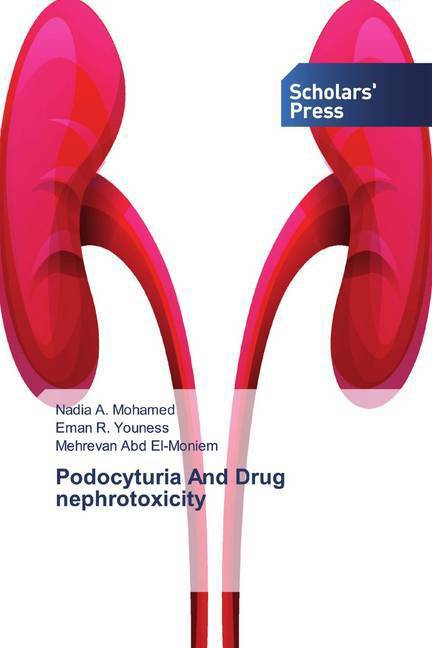
Podocyturia And Drug nephrotoxicity
Nadia A. Mohamed, Eman R. Youness, Mehrevan Abd El-moniem
Paperback | Engels
€ 50,95
+ 101 punten
Omschrijving
Nephrotoxicity should not be confused with the fact that some medications have a predominantly renal excretion and need their dose adjusted for the decreased renal function. Drug-induced nephrotoxicity can lead to acute kidney injury(AKI) or chronic kidney disease in patients and is a major problem for clinicians. Development of less nephrotoxic drugs is challenging due to the fact that the prediction of nephrotoxicity during drug development remains difficult. Typically, compound nephrotoxicity is only detected during late stages of drug development, which is associated with high costs for the pharmaceutical industry.
Specificaties
Betrokkenen
- Auteur(s):
- Uitgeverij:
Inhoud
- Aantal bladzijden:
- 52
- Taal:
- Engels
Eigenschappen
- Productcode (EAN):
- 9783639714159
- Verschijningsdatum:
- 24/09/2019
- Uitvoering:
- Paperback
- Afmetingen:
- 150 mm x 220 mm
- Gewicht:
- 91 g


Alleen bij Standaard Boekhandel
+ 101 punten op je klantenkaart van Standaard Boekhandel

Beoordelingen
We publiceren alleen reviews die voldoen aan de voorwaarden voor reviews. Bekijk onze voorwaarden voor reviews.