


- Afhalen na 1 uur in een winkel met voorraad
- Gratis thuislevering in België vanaf € 30
- Ruim aanbod met 7 miljoen producten
- Afhalen na 1 uur in een winkel met voorraad
- Gratis thuislevering in België vanaf € 30
- Ruim aanbod met 7 miljoen producten





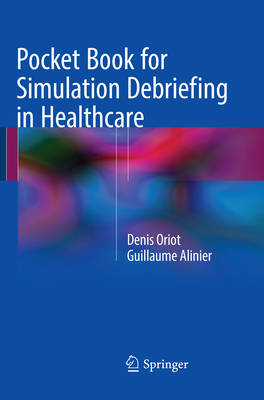
Pocket Book for Simulation Debriefing in Healthcare
Denis Oriot, Guillaume Alinier
Paperback | Engels
€ 52,95
+ 105 punten
Uitvoering
Omschrijving
This book is a concise manual on debriefing techniques in a clinical educational context. It presents the most popular debriefing techniques and, hence, can be used as a reference manual by educators to help them achieve their intended debriefing objectives. The overarching objective of debriefing is to promote reflection and improve patient safety awareness at an individual and a team level. This book provides clear explanations of what constitutes a valuable and effective debriefing, and presents the various approaches that can be used and how debriefing differs from feedback. It includes key recommendations on aspects that directly or indirectly impact debriefing with different populations of learners such as students or qualified healthcare professionals of various levels of seniority. This book can also be used as a survival guide for both simulation educators and clinicians during debriefings. It includes several useful sections explaining the different phases of a debriefing session, which help learners develop and consolidate their knowledge, and identify potential knowledge or performance gaps and near misses. The underlying philosophy of this book is to also promote profound respect for the trainee by using a non-offensive debriefing approach. Debriefing facilitators will appreciate the several key sentences that will help them lead and engage their learners in the various phases of expressing their emotions and analyzing their experience and actions.
Specificaties
Betrokkenen
- Auteur(s):
- Uitgeverij:
Inhoud
- Aantal bladzijden:
- 107
- Taal:
- Engels
Eigenschappen
- Productcode (EAN):
- 9783319867243
- Verschijningsdatum:
- 14/08/2018
- Uitvoering:
- Paperback
- Formaat:
- Trade paperback (VS)
- Afmetingen:
- 198 mm x 234 mm
- Gewicht:
- 181 g


Alleen bij Standaard Boekhandel
+ 105 punten op je klantenkaart van Standaard Boekhandel
CADEAU


Beoordelingen
We publiceren alleen reviews die voldoen aan de voorwaarden voor reviews. Bekijk onze voorwaarden voor reviews.