


- Afhalen na 1 uur in een winkel met voorraad
- Gratis thuislevering in België vanaf € 30
- Ruim aanbod met 7 miljoen producten
- Afhalen na 1 uur in een winkel met voorraad
- Gratis thuislevering in België vanaf € 30
- Ruim aanbod met 7 miljoen producten





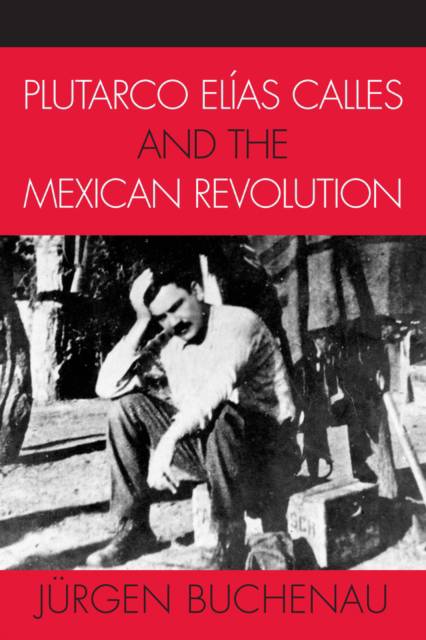
Plutarco Elías Calles and the Mexican Revolution
Jürgen Buchenau
€ 103,45
+ 206 punten
Omschrijving
The only substantive study of Plutarco El'as Calles and the Mexican Revolution, this book traces the remarkable life story of a complex and little-understood, yet key figure in Mexico's history. JYrgen Buchenau draws on a rich array of archival evidence from Mexico, the United States, and Europe to explore Calles's origins and political trajectory. He hailed from Sonora, a border state marked by fundamental social and economic change at the turn of the twentieth century. After dabbling in various careers, Calles found the early years of the revolution (1910-1920) afforded him the chance to rise to local and ultimately national prominence. As president from 1924 to 1928, Calles embarked on an ambitious reform program, modernized the financial system, and defended national sovereignty against an interventionist U.S. government. Yet these reforms failed to eradicate underdevelopment, corruption, and social injustice. Moreover, his unyielding campaigns against the Catholic Church and his political enemies earned him a reputation as a repressive strongman. After his term as president, Calles continued to exert broad influence as his country's foremost political figure while three weaker presidents succeeded each other in an atmosphere of constant political crisis. He played a significant role in founding a ruling party that reined in the destructive ambitions of leading army officers and promised to help campesinos and workers attain better living conditions. This dynastic party and its successors, including the present-day Partido Revolucionario Institucional (PRI, or Party of the Institutional Revolution), remained in power until 2000. Many of the institutions and laws forged during the Calles era survived into the present. Through this comprehensive assessment of a quintessential politician in an era dominated by generals, entrepreneurs, and educated professionals, Buchenau opens an illuminating window into the Mexican Revolution and contemporary Mexico.
Specificaties
Betrokkenen
- Auteur(s):
- Uitgeverij:
Inhoud
- Aantal bladzijden:
- 312
- Taal:
- Engels
- Reeks:
Eigenschappen
- Productcode (EAN):
- 9780742537491
- Verschijningsdatum:
- 13/12/2006
- Uitvoering:
- Paperback
- Formaat:
- Trade paperback (VS)
- Afmetingen:
- 161 mm x 227 mm
- Gewicht:
- 485 g


Alleen bij Standaard Boekhandel
+ 206 punten op je klantenkaart van Standaard Boekhandel
Cadeau

AANGERADEN


Beoordelingen
We publiceren alleen reviews die voldoen aan de voorwaarden voor reviews. Bekijk onze voorwaarden voor reviews.