



Je cadeautjes zeker op tijd in huis hebben voor de feestdagen? Kom langs in onze winkels en vind het perfecte geschenk!
- Afhalen na 1 uur in een winkel met voorraad
- Gratis thuislevering in België vanaf € 30
- Ruim aanbod met 7 miljoen producten
Je cadeautjes zeker op tijd in huis hebben voor de feestdagen? Kom langs in onze winkels en vind het perfecte geschenk!
- Afhalen na 1 uur in een winkel met voorraad
- Gratis thuislevering in België vanaf € 30
- Ruim aanbod met 7 miljoen producten





€ 306,45
+ 612 punten
Omschrijving
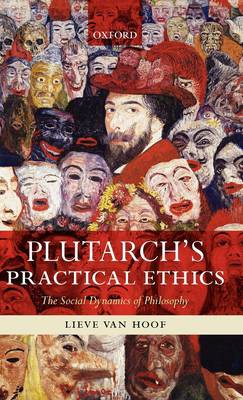
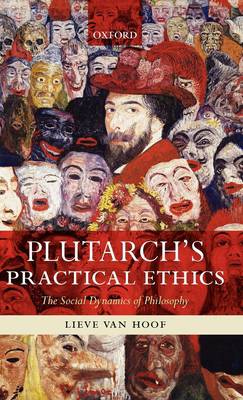
The Second Sophistic (c.AD 60-250) was a time of intense competition for honour and status. Like today, this often caused mental as well as physical stress for the elite of the Roman Empire. This book, which transcends the boundaries between literature, social history, and philosophy, studies Plutarch's practical ethics, a group of twenty-odd texts within the Moralia designed to help powerful Greeks and Romans manage their ambitions and society's expectations successfully. Lieve Van Hoof combines a systematic analysis of the general principles underlying Plutarch's practical ethics, including the author's target readership, therapeutical practices, and self-presentation, with five innovative case studies. A picture emerges of philosophy under the Roman Empire not as a set of abstract, theoretical doctrines, but as a kind of symbolic capital engendering power and prestige for author and reader alike.
Specificaties
Betrokkenen
- Auteur(s):
- Uitgeverij:
Inhoud
- Aantal bladzijden:
- 328
- Taal:
- Engels
Eigenschappen
- Productcode (EAN):
- 9780199583263
- Verschijningsdatum:
- 13/08/2010
- Uitvoering:
- Hardcover
- Formaat:
- Genaaid
- Afmetingen:
- 142 mm x 216 mm
- Gewicht:
- 566 g


Alleen bij Standaard Boekhandel
+ 612 punten op je klantenkaart van Standaard Boekhandel
CADEAU


Beoordelingen
We publiceren alleen reviews die voldoen aan de voorwaarden voor reviews. Bekijk onze voorwaarden voor reviews.