


- Afhalen na 1 uur in een winkel met voorraad
- Gratis thuislevering in België vanaf € 30
- Ruim aanbod met 7 miljoen producten
- Afhalen na 1 uur in een winkel met voorraad
- Gratis thuislevering in België vanaf € 30
- Ruim aanbod met 7 miljoen producten





€ 93,45
+ 186 punten
Omschrijving
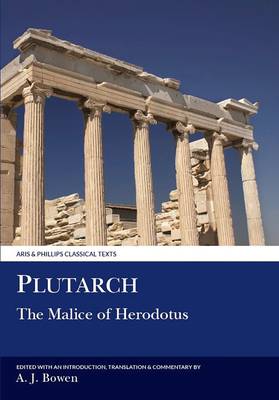
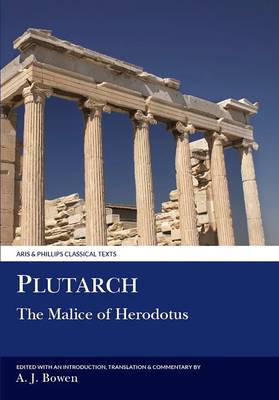
The Malice of Herodotus can perhaps best be described as the world's earliest known book review. But it is much more than that, for in the course of 'correcting' with considerable vituperation what he saw as Herodotus' anti-Greek bias, Plutarch tells us much about his own attitude to writing history. So that together with Lucian's How to Write History (see Lucian A Selection in this series) it forms a basic text for the study of Greek historiography. It is also perhaps the most revealing example of Plutarch's prose style with its rhetorical variety and energy and odd mixture of good and bad argument. But in citing lost works, Plutarch has preserved valuable fragments which don't exist elsewhere and need to be assessed by all students of the Persian Wars. Greek text with translion, introduction and commentary.
Specificaties
Betrokkenen
- Auteur(s):
- Uitgeverij:
Inhoud
- Aantal bladzijden:
- 160
- Taal:
- Engels
- Reeks:
Eigenschappen
- Productcode (EAN):
- 9780856685699
- Verschijningsdatum:
- 1/01/1992
- Uitvoering:
- Paperback
- Formaat:
- Trade paperback (VS)
- Afmetingen:
- 168 mm x 204 mm
- Gewicht:
- 285 g


Alleen bij Standaard Boekhandel
+ 186 punten op je klantenkaart van Standaard Boekhandel
Cadeau

AANGERADEN


Beoordelingen
We publiceren alleen reviews die voldoen aan de voorwaarden voor reviews. Bekijk onze voorwaarden voor reviews.