


- Afhalen na 1 uur in een winkel met voorraad
- Gratis thuislevering in België vanaf € 30
- Ruim aanbod met 7 miljoen producten
- Afhalen na 1 uur in een winkel met voorraad
- Gratis thuislevering in België vanaf € 30
- Ruim aanbod met 7 miljoen producten





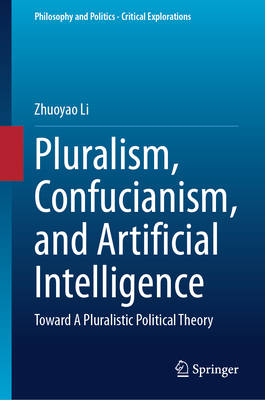
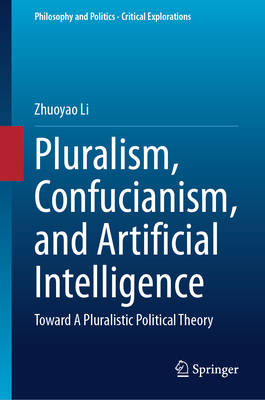
Pluralism, Confucianism, and Artificial Intelligence
Toward a Pluralistic Political Theory
Zhuoyao Li
€ 129,95
+ 259 punten
Eenvoudig bestellen
Veilig betalen


Gratis thuislevering vanaf € 30 (via bpost)
Gratis levering in je Standaard Boekhandel
Omschrijving
This book develops a pluralistic political theory that reinterprets John Rawls's proviso as a framework of justification capable of sustaining legitimacy amid deep reasonable pluralism and the rise of artificial intelligence. Part I reconstructs the distinction between morality and ethics in contemporary political philosophy and argues that the right to reciprocal and general justification grounds a freestanding but non-metaphysical account of political legitimacy. Part II brings this framework into dialogue with Confucian political thought, showing how a modified proviso can underwrite a non-meritocratic and pluralistic Confucian democracy, while also accommodating hybrid constitutional orders and maintaining global justice. Part III extends the same justificatory structure to the technological domain, proposing an expanded proviso as a normative architecture for the design, adoption, and regulation of artificial intelligence systems in democratic societies. Across these three parts, the book comparatively advances a pluralistic political theory at the intersection of ethics, politics, and artificial intelligence, showing how justificatory practices can be extended from liberal democracy to Confucian traditions and algorithmic governance to prepare democratic institutions for an increasingly technologically mediated future.
Specificaties
Betrokkenen
- Auteur(s):
- Uitgeverij:
Inhoud
- Aantal bladzijden:
- 164
- Taal:
- Engels
- Reeks:
- Reeksnummer:
- nr. 35
Eigenschappen
- Productcode (EAN):
- 9783032256041
- Verschijningsdatum:
- 1/05/2026
- Uitvoering:
- Hardcover
- Formaat:
- Genaaid
- Afmetingen:
- 156 mm x 234 mm
- Gewicht:
- 430 g


Alleen bij Standaard Boekhandel
+ 259 punten op je klantenkaart van Standaard Boekhandel
CADEAU

AANGERADEN


Beoordelingen
We publiceren alleen reviews die voldoen aan de voorwaarden voor reviews. Bekijk onze voorwaarden voor reviews.