


- Afhalen na 1 uur in een winkel met voorraad
- Gratis thuislevering in België vanaf € 30
- Ruim aanbod met 7 miljoen producten
- Afhalen na 1 uur in een winkel met voorraad
- Gratis thuislevering in België vanaf € 30
- Ruim aanbod met 7 miljoen producten





€ 48,45
+ 96 punten
Omschrijving
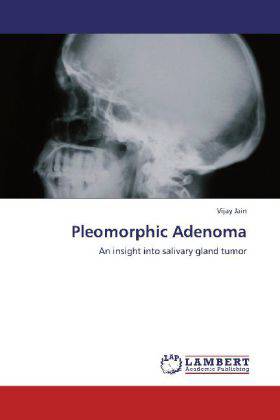
Salivary gland tumors are estimated to represent approximately 3% of all the head and neck tumors. Pleomorphic adenoma is the most common neoplasm affecting the major and minor salivary glands. It accounts for 90% of benign salivary gland tumors as well as about 50% of all intraoral minor salivary gland tumors. Approximately 75-85% of Pleomorphic adenomas occur in the parotid gland, 8% in the submandibular salivary gland and 7-15% in the minor salivary glands. Primary care physicians need to know how to diagnose and manage these lesions. Appropriate management is crucial. These tumors can be cured if they are correctly treated, but they can be very difficult to control if they recur. Longstanding tumors may become life threatening, if they undergo malignant transformation.
Specificaties
Betrokkenen
- Auteur(s):
- Uitgeverij:
Inhoud
- Aantal bladzijden:
- 92
- Taal:
- Engels
Eigenschappen
- Productcode (EAN):
- 9783659177477
- Uitvoering:
- Paperback
- Afmetingen:
- 150 mm x 220 mm


Alleen bij Standaard Boekhandel
+ 96 punten op je klantenkaart van Standaard Boekhandel
AANGERADEN


Beoordelingen
We publiceren alleen reviews die voldoen aan de voorwaarden voor reviews. Bekijk onze voorwaarden voor reviews.