


Bedankt voor het vertrouwen het afgelopen jaar! Om jou te bedanken bieden we GRATIS verzending (in België) aan op alles gedurende de hele maand januari.
- Afhalen na 1 uur in een winkel met voorraad
- In januari gratis thuislevering in België
- Ruim aanbod met 7 miljoen producten
Bedankt voor het vertrouwen het afgelopen jaar! Om jou te bedanken bieden we GRATIS verzending (in België) aan op alles gedurende de hele maand januari.
- Afhalen na 1 uur in een winkel met voorraad
- In januari gratis thuislevering in België
- Ruim aanbod met 7 miljoen producten

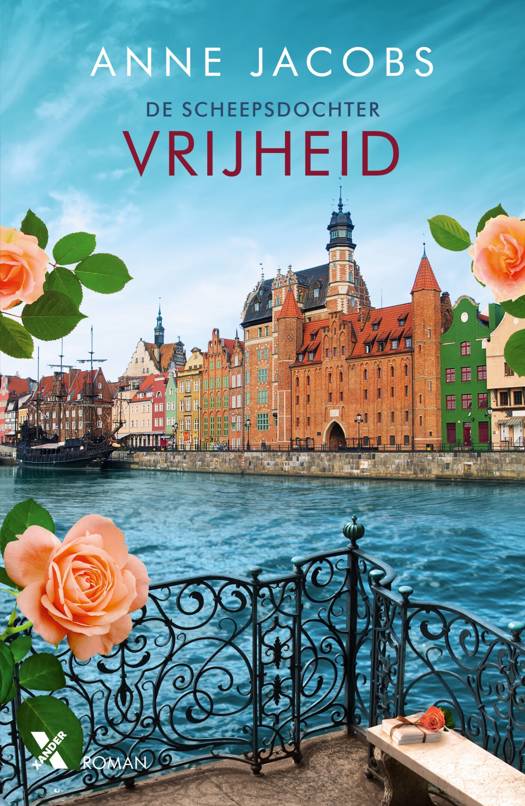



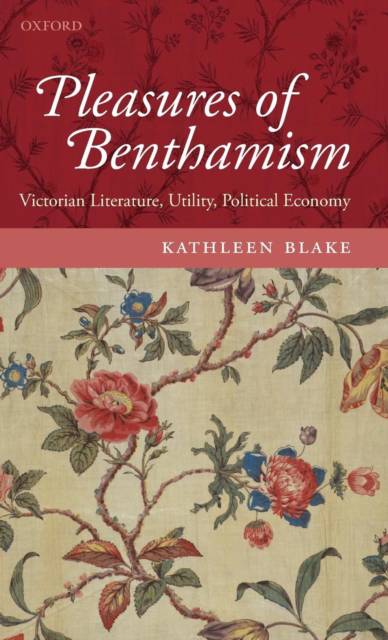
Pleasures of Benthamism
Victorian Literature, Utility, Political Economy
Kathleen Blake
Hardcover | Engels
€ 177,45
+ 354 punten
Omschrijving
This book offers a fresh look at the often-censured but imperfectly understood traditions of Utilitarianism and political economy in their bearing for Victorian literature and culture. It treats writings by Jeremy Bentham, Adam Smith, Thomas Malthus, David Ricardo, James and John Stuart Mill, Charles Dickens, Thomas Carlyle, Anthony Trollope, George Eliot, Elizabeth Gaskell, and Rabindranath Tagore. It sets texts in historical context, examines style as well as ideas, and aims to widen awareness of commonalities across seemingly divided expressions of the age. A work of 'new economic criticism, ' it also treats Utilitarianism, close kin to political economy but even more poorly understood and poorly regarded. No other literary study addresses Bentham so fully. The book further contributes to study of Victorian literature-and-liberalism and Victorian liberalism-and-imperialism. It challenges a high-cultural perspective and a perspective of ideology-critique that derives from F. R. Leavis and Michel Foucault and inform the prevailing idea of Victorian literature: as contender against the repressive mentality of Mr. Gradgrind, Dickens's caricature of a Smith-Benthamite; against the 'carceral' social discipline of Bentham's Panopticon; and against the 'dismal science.' But 'utility' has the happier meaning of pleasure. This study presents a capitalist, liberal age pursuing utility in commerce, industry, and socioeconomic/political reforms; favorable to freedom; and 'leveling' as regards gender and class. What about empire? A question not generally so squarely confronted in works on Victorian literature-and-economics and Victorian literature-and-liberalism. Shown here is the surprising extent to which liberalism develops as liberalism through 'liberal imperialism'.
Specificaties
Betrokkenen
- Auteur(s):
- Uitgeverij:
Inhoud
- Aantal bladzijden:
- 276
- Taal:
- Engels
Eigenschappen
- Productcode (EAN):
- 9780199563265
- Verschijningsdatum:
- 18/01/2010
- Uitvoering:
- Hardcover
- Formaat:
- Genaaid
- Afmetingen:
- 140 mm x 216 mm
- Gewicht:
- 498 g


Alleen bij Standaard Boekhandel
+ 354 punten op je klantenkaart van Standaard Boekhandel
SOLDEN


Beoordelingen
We publiceren alleen reviews die voldoen aan de voorwaarden voor reviews. Bekijk onze voorwaarden voor reviews.