



- Afhalen na 1 uur in een winkel met voorraad
- In januari gratis thuislevering in België
- Ruim aanbod met 7 miljoen producten
- Afhalen na 1 uur in een winkel met voorraad
- In januari gratis thuislevering in België
- Ruim aanbod met 7 miljoen producten




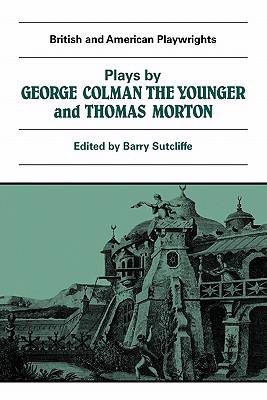
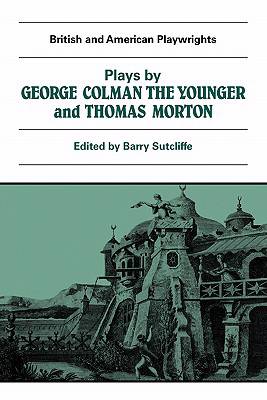
Plays by George Colman the Younger and Thomas Morton
Inkle and Yarico, the Surrender of Calais, the Children in the Wood, Blue Beard or Female Curios
George Colman
€ 67,95
+ 135 punten
Omschrijving
This volume contains edited texts of five plays by two late eighteenth-century dramatists. The plays have been chosen to represent the range of the two playwrights and the variety of dramatic material on offer during the period. The full-length plays and afterpieces by George Colman the Younger and Thomas Morton were as popular as Sheridan's works in their time, but today are seldom performed or read. This discrepancy lies at the heart of Barry Sutcliffe's extensive introduction, which explores the critical and social background to the dramatic activity of the period and relates the dramas to the shifting demands of the theatre audiences for whom these plays were written.
Specificaties
Betrokkenen
- Auteur(s):
- Uitgeverij:
Inhoud
- Aantal bladzijden:
- 276
- Taal:
- Engels
- Reeks:
Eigenschappen
- Productcode (EAN):
- 9780521284004
- Verschijningsdatum:
- 8/09/1983
- Uitvoering:
- Paperback
- Formaat:
- Trade paperback (VS)
- Afmetingen:
- 152 mm x 229 mm
- Gewicht:
- 408 g


Alleen bij Standaard Boekhandel
+ 135 punten op je klantenkaart van Standaard Boekhandel
Cadeau

AANGERADEN


Beoordelingen
We publiceren alleen reviews die voldoen aan de voorwaarden voor reviews. Bekijk onze voorwaarden voor reviews.