


- Afhalen na 1 uur in een winkel met voorraad
- Gratis thuislevering in België vanaf € 30
- Ruim aanbod met 7 miljoen producten
- Afhalen na 1 uur in een winkel met voorraad
- Gratis thuislevering in België vanaf € 30
- Ruim aanbod met 7 miljoen producten





€ 25,95
+ 51 punten
Eenvoudig bestellen
Veilig betalen


Gratis thuislevering vanaf € 30 (via bpost)
Gratis levering in je Standaard Boekhandel
Omschrijving
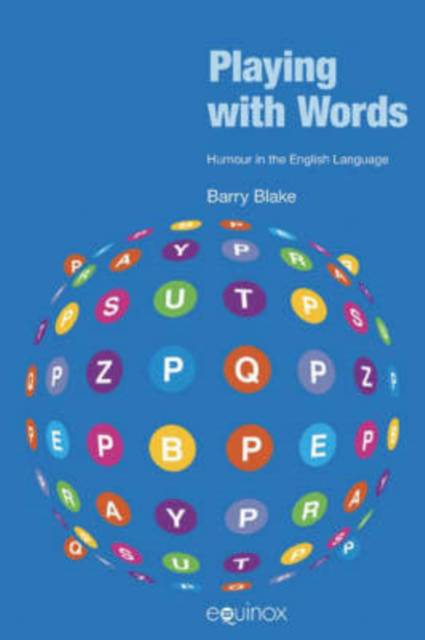
Humour permeates our lives. People tell jokes, make puns, and engage in witty banter. There is written humour in headlines and captions, in ads, on signs, t-shirts, and bumper stickers, and in the form of graffiti. Nowadays humour is available on the web and circulated by e-mail. Playing with Words shows how every facet of language is exploited for humour. When a word has multiple meanings or sounds like another is the basis for puns (A boiled egg is hard to beat). The word-building rules are used for clever compounds, smart blends and catchy phrases as in 'circulated by word of mouse'. Ambiguities in the syntax afford further scope for humour (Miners refuse to work after death), and the sounds of words can be exploited in humorous verse. There is also humour to be found in slips of the tongue, malapropisms, and funny misspellings. Playing with Words also covers the subject matter of humour and the part it plays in society. It is an informed account in non-technical language, full of examples, a book to be read for information and for fun.
Specificaties
Betrokkenen
- Auteur(s):
- Uitgeverij:
Inhoud
- Aantal bladzijden:
- 192
- Taal:
- Engels
Eigenschappen
- Productcode (EAN):
- 9781845533304
- Verschijningsdatum:
- 1/01/2008
- Uitvoering:
- Paperback
- Formaat:
- Trade paperback (VS)
- Afmetingen:
- 143 mm x 216 mm
- Gewicht:
- 235 g


Alleen bij Standaard Boekhandel
+ 51 punten op je klantenkaart van Standaard Boekhandel
CADEAU

AANGERADEN


Beoordelingen
We publiceren alleen reviews die voldoen aan de voorwaarden voor reviews. Bekijk onze voorwaarden voor reviews.