


- Afhalen na 1 uur in een winkel met voorraad
- Gratis thuislevering in België vanaf € 30
- Ruim aanbod met 7 miljoen producten
- Afhalen na 1 uur in een winkel met voorraad
- Gratis thuislevering in België vanaf € 30
- Ruim aanbod met 7 miljoen producten





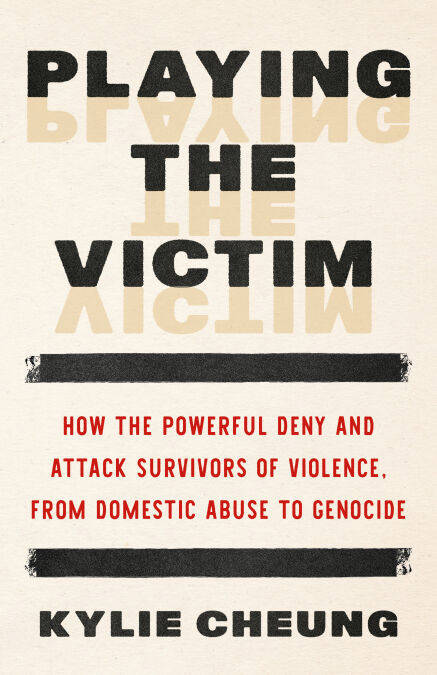
Playing the Victim E-BOOK
How the Powerful Deny and Attack Survivors of Violence, from Domestic Abuse to Genocide
Kylie Cheung
E-book | Engels
€ 21,63
+ 21 punten
Uitvoering
Omschrijving
Journalist Kylie Cheung delivers an urgent, incisive look at how abusers—from empires to intimate partners—use the same gaslighting playbook to oppress victims, silence their voice, and stay in power
Who has the right to their own body? Who has the right to self-defense? Who gets to walk away?
From the genocide in Gaza to the state-sanctioned control of women’s bodies, Kylie Cheung confronts the most urgent moral and political crises of our time through an incisive, illuminating lens: DARVO—Deny, Attack, Reverse Victim and Offender.
While DARVO originated in the psychology of domestic abuse and intimate partner violence, Cheung shows how it’s deployed en masse, at every level—and how it can become the blueprint for empire itself.
From the spectacle of Depp v. Heard to horrors perpetrated by Israeli prison guards, Cheung exposes how abusers both individual and institutional flip the script and perform victimhood to justify domination. With unflinching clarity, Playing the Victim traces how these tactics shape everything from media propaganda and imperial warfare to anti-feminist backlash, transphobic legislation, and racialized state violence. Each chapter peels back another layer of the mirror-world machine that distorts oppressors into victims and twists resistance into crime.
Essential for anyone seeking to understand how power works in the 21st century—and at whose cost—this book is piercing, clear-eyed, and rigorously researched. Unpacking how domestic abuse, intimate partner violence, colonial violence, and capitalist cruelty function as interlocking systems of control, Cheung helps readers understand how power hides behind ersatz victimhood—and how this plays us all.
Who has the right to their own body? Who has the right to self-defense? Who gets to walk away?
From the genocide in Gaza to the state-sanctioned control of women’s bodies, Kylie Cheung confronts the most urgent moral and political crises of our time through an incisive, illuminating lens: DARVO—Deny, Attack, Reverse Victim and Offender.
While DARVO originated in the psychology of domestic abuse and intimate partner violence, Cheung shows how it’s deployed en masse, at every level—and how it can become the blueprint for empire itself.
From the spectacle of Depp v. Heard to horrors perpetrated by Israeli prison guards, Cheung exposes how abusers both individual and institutional flip the script and perform victimhood to justify domination. With unflinching clarity, Playing the Victim traces how these tactics shape everything from media propaganda and imperial warfare to anti-feminist backlash, transphobic legislation, and racialized state violence. Each chapter peels back another layer of the mirror-world machine that distorts oppressors into victims and twists resistance into crime.
Essential for anyone seeking to understand how power works in the 21st century—and at whose cost—this book is piercing, clear-eyed, and rigorously researched. Unpacking how domestic abuse, intimate partner violence, colonial violence, and capitalist cruelty function as interlocking systems of control, Cheung helps readers understand how power hides behind ersatz victimhood—and how this plays us all.
Specificaties
Betrokkenen
- Auteur(s):
- Uitgeverij:
Inhoud
- Aantal bladzijden:
- 200
- Taal:
- Engels
Eigenschappen
- Productcode (EAN):
- 9798889844037
- Verschijningsdatum:
- 19/10/2026
- Uitvoering:
- E-book
- Beveiligd met:
- Adobe DRM
- Formaat:
- ePub



Alleen bij Standaard Boekhandel
+ 21 punten op je klantenkaart van Standaard Boekhandel
CADEAU

AANGERADEN


Beoordelingen
We publiceren alleen reviews die voldoen aan de voorwaarden voor reviews. Bekijk onze voorwaarden voor reviews.