


- Afhalen na 1 uur in een winkel met voorraad
- Gratis thuislevering in België vanaf € 30
- Ruim aanbod met 7 miljoen producten
- Afhalen na 1 uur in een winkel met voorraad
- Gratis thuislevering in België vanaf € 30
- Ruim aanbod met 7 miljoen producten





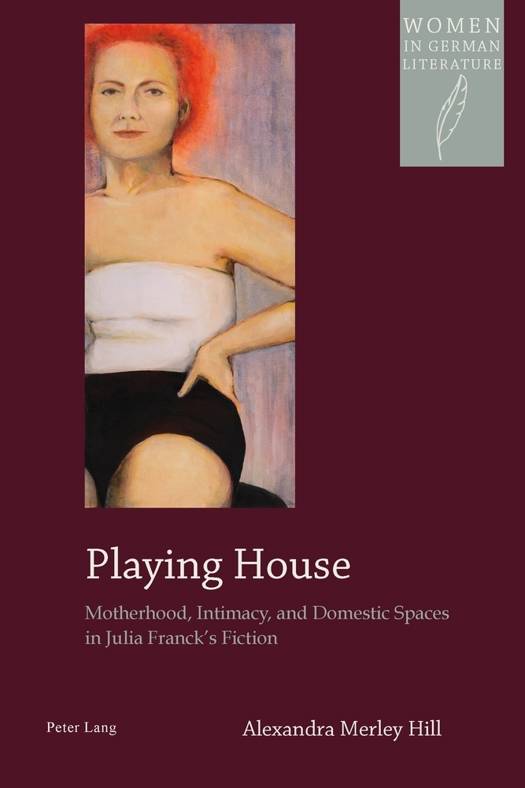
Playing House; Motherhood, Intimacy, and Domestic Spaces in Julia Franck's Fiction
Motherhood, Intimacy, and Domestic Spaces in Julia Franck's Fiction
Alexandra M Hill
€ 77,95
+ 155 punten
Omschrijving
Julia Franck, winner of the 2007 German Book Prize for Die Mittagsfrau (The Blind Side of the Heart), puts the experience of women - and mothers - at the core of her novels and short stories. This study, the first book exclusively about Franck, addresses the various roles that women play in her oeuvre: lovers, daughters, mothers, and sisters. With an eye to the way these roles are influenced by and connected to domestic space, the author examines the desire for intimacy and connection that motivates Franck's characters. Drawing on theories of both performance and performativity, the author argues that Franck creates these identities as mutable and changeable, in effect opening up women's roles for resignification in an age of renewed feminist inquiry.
Specificaties
Betrokkenen
- Auteur(s):
- Uitgeverij:
Inhoud
- Aantal bladzijden:
- 184
- Taal:
- Engels
- Reeks:
- Reeksnummer:
- nr. 14
Eigenschappen
- Productcode (EAN):
- 9783034307673
- Verschijningsdatum:
- 24/08/2012
- Uitvoering:
- Paperback
- Formaat:
- Trade paperback (VS)
- Afmetingen:
- 150 mm x 224 mm
- Gewicht:
- 408 g


Alleen bij Standaard Boekhandel
+ 155 punten op je klantenkaart van Standaard Boekhandel
Cadeau

AANGERADEN


Beoordelingen
We publiceren alleen reviews die voldoen aan de voorwaarden voor reviews. Bekijk onze voorwaarden voor reviews.