


- Afhalen na 1 uur in een winkel met voorraad
- Gratis thuislevering in België vanaf € 30
- Ruim aanbod met 7 miljoen producten
- Afhalen na 1 uur in een winkel met voorraad
- Gratis thuislevering in België vanaf € 30
- Ruim aanbod met 7 miljoen producten





€ 124,45
+ 248 punten
Uitvoering
Omschrijving
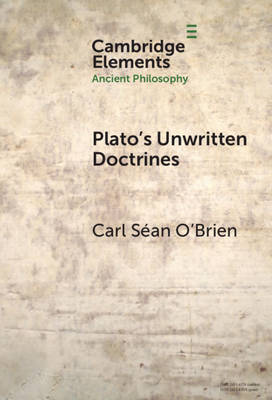
This Element examines the arguments advanced by the Tübingen-Milan School in support of the claim that Plato had Unwritten Doctrines (agrapha dogmata), revealed in Aristotle and other testimonia and indicated - but not explicitly treated - in some of his dialogues. The Unwritten Doctrines are primarily concerned with Plato's Theory of Principles of (the One and the Indefinite Dyad) which accounts for unity and multiplicity respectively. This Element considers two opposing approaches to reading Plato: that of sola scriptura (through the writings alone) or via the tradition. While it may appear counter-intuitive to privilege other sources over Plato's own works, his criticism of writing in the Phaedrus and the 'deliberate gaps', where he teases the reader with the possibility of a fuller response than that provided on the current occasion, firmly indicate the existence of doctrines not committed to his dialogues.
Specificaties
Betrokkenen
- Auteur(s):
- Uitgeverij:
Inhoud
- Aantal bladzijden:
- 80
- Taal:
- Engels
- Reeks:
Eigenschappen
- Productcode (EAN):
- 9781009506175
- Verschijningsdatum:
- 16/10/2025
- Uitvoering:
- Hardcover
- Formaat:
- Genaaid
- Afmetingen:
- 152 mm x 229 mm
- Gewicht:
- 281 g


Alleen bij Standaard Boekhandel
+ 248 punten op je klantenkaart van Standaard Boekhandel
Cadeau

AANGERADEN


Beoordelingen
We publiceren alleen reviews die voldoen aan de voorwaarden voor reviews. Bekijk onze voorwaarden voor reviews.