


- Afhalen na 1 uur in een winkel met voorraad
- Gratis thuislevering in België vanaf € 30
- Ruim aanbod met 7 miljoen producten
- Afhalen na 1 uur in een winkel met voorraad
- Gratis thuislevering in België vanaf € 30
- Ruim aanbod met 7 miljoen producten





€ 254,45
+ 508 punten
Omschrijving
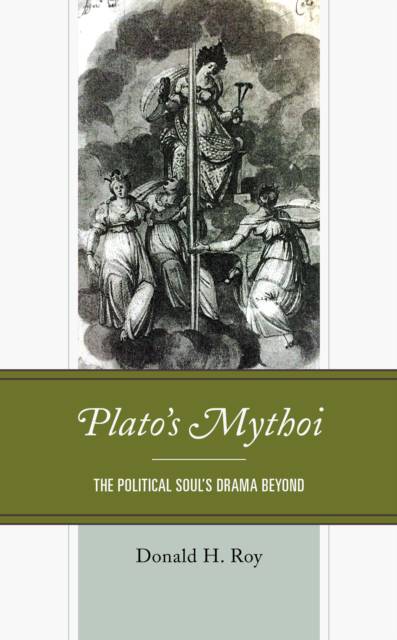
Recently, in the past thirty years, there has been an upsurge in serious treatment of Platonic mythoi, which were once thought to be only literary decoration and/or the simplistic presentation of philosophic conclusions for the demos (dummies in effect). Nevertheless, the dominant tendency in the exegesis of Platonic mythoi still is to subordinate them to philosophic logos (reason) and not to recognize that such mythoi are philosophic in themselves in the broad sense of "the love of wisdom". There is something conversional about Plato's philosophic mythos, reformulating and superseding traditional Greek mythos and then charting the drama of the human soul from Socratic aporia, up and out of the cave, and into the beyond, the Idea of the Good. The late Professor Eric Voegelin understood this existential drama, and his exegesis of Platonic mythos, from engendering pathos to symbols, is revelatory to say the least. My understanding is that logos (reason) is a fundamental and necessary check on mythos, but logos and mythos are complementary via medias; neither are dispensable nor reducible, one to the other. Also crucial to my study of Platonic mythoi is the "analogy of being," that Voegelin only touches on, but Erich Przywara explores and develops. The relationship between the human and the divine is analogical (likenesses but also significant unlikenesses), and Plato certainly explored the play of opposites and affinities covering the difficult philosophical problems of becoming and being and the temporal and the eternal. Most philosophic commentators on Plato ignore the suffusive presence of the divine in Plato's love of wisdom. Perhaps only Platonic mythos at its best offers the philosophic imagination the vision of transcendence.
Specificaties
Betrokkenen
- Auteur(s):
- Uitgeverij:
Inhoud
- Aantal bladzijden:
- 346
- Taal:
- Engels
- Reeks:
Eigenschappen
- Productcode (EAN):
- 9781498571579
- Verschijningsdatum:
- 1/02/2019
- Uitvoering:
- Hardcover
- Formaat:
- Genaaid
- Afmetingen:
- 157 mm x 231 mm
- Gewicht:
- 680 g


Alleen bij Standaard Boekhandel
+ 508 punten op je klantenkaart van Standaard Boekhandel
Cadeau

AANGERADEN


Beoordelingen
We publiceren alleen reviews die voldoen aan de voorwaarden voor reviews. Bekijk onze voorwaarden voor reviews.