


- Afhalen na 1 uur in een winkel met voorraad
- Gratis thuislevering in België vanaf € 30
- Ruim aanbod met 7 miljoen producten
- Afhalen na 1 uur in een winkel met voorraad
- Gratis thuislevering in België vanaf € 30
- Ruim aanbod met 7 miljoen producten





€ 64,95
+ 129 punten
Uitvoering
Omschrijving
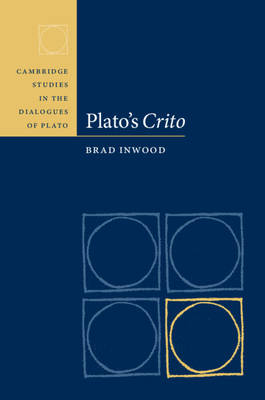
Many people read the Crito primarily as a companion piece to the Apology and as one of Plato's statements on the nature of politics and the citizen's relationship to the state. This book challenges both of those assumptions and shows, by close analysis of the characters, the argument and the dramatic features of the dialogue, that it is best read as an exploration of the nature and significance of Socratic moral reasoning. It shows that there is a single argument throughout the dialogue and that the 'Laws of Athens' are best understood as supporting Socrates' attempt to convince Crito that a commitment to the currently best rational argument justifies his submission to the death penalty, despite the injustice of his sentence. The importance of the Crito for later political and legal theory is great, but the reception of the dialogue should not blind us to its original intention and significance.
Specificaties
Betrokkenen
- Auteur(s):
- Uitgeverij:
Inhoud
- Aantal bladzijden:
- 100
- Taal:
- Engels
- Reeks:
Eigenschappen
- Productcode (EAN):
- 9781009754569
- Verschijningsdatum:
- 12/03/2026
- Uitvoering:
- Paperback
- Formaat:
- Trade paperback (VS)
- Afmetingen:
- 152 mm x 229 mm
- Gewicht:
- 145 g


Alleen bij Standaard Boekhandel
+ 129 punten op je klantenkaart van Standaard Boekhandel
CADEAU

AANGERADEN


Beoordelingen
We publiceren alleen reviews die voldoen aan de voorwaarden voor reviews. Bekijk onze voorwaarden voor reviews.