


- Afhalen na 1 uur in een winkel met voorraad
- Gratis thuislevering in België vanaf € 30
- Ruim aanbod met 7 miljoen producten
- Afhalen na 1 uur in een winkel met voorraad
- Gratis thuislevering in België vanaf € 30
- Ruim aanbod met 7 miljoen producten





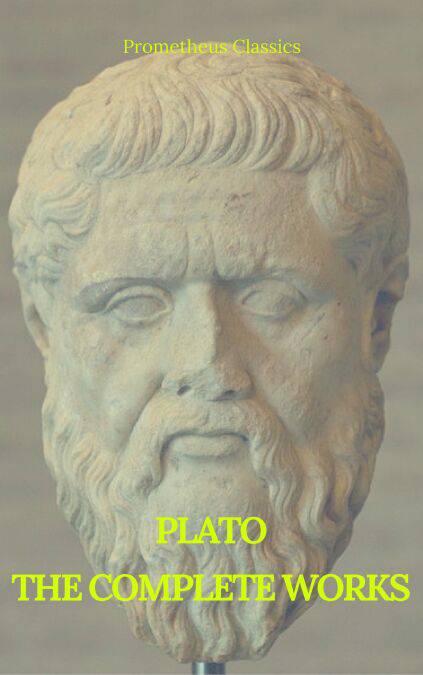
Plato: The Complete Works (Best Navigation, Active TOC) (Prometheus Classics) E-BOOK
Plato
E-book | Engels
€ 0,99
Uitvoering
Omschrijving
This collection contains an active table of contents (HTML), which makes reading easier to make it more enjoyable.
Plato was a philosopher in Ancient Greece. He was an essential figure in the development of philosophy, especially the Western tradition, and he founded the Academy in Athens, the first institution of higher learning in the Western world.
Plato's dialogues have been used (and are still used) to teach a range of subjects, including philosophy, logic, ethics, rhetoric, religion and mathematics. His lasting themes include Platonic love, the theory of forms, the five regimes, innate knowledge, among others. His theory of forms launched a unique perspective on abstract objects, and led to a school of thought called Platonism.
The Complete Plato
Part 1: Early Dialogues
The Apology
Crito
Charmides
Laches
Lysis
Euthyphro
Menexenus
Ion
Gorgias
Protagoras
Meno
Part 2: Middle Dialogues
Euthydemus
Cratylus
Phaedo
Phaedrus
The Symposium
Theaetetus
Parmenides
Part 3: Late Dialogues
Sophist
Statesman
Philebus
Timaeus
Critias
Part 4: The Republic
I: Of Wealth, Justice, Moderation, and their Opposites
II: The Individual, the State, and Education
III: The Arts in Education
IV: Wealth, Poverty, and Virtue
V: On Matrimony and Philosophy
VI: The Philosophy of Government
VII: On Shadows and Realities in Education
VIII: Four Forms of Government
IX: On Wrong or Right Government, and the Pleasures of Each
X: The Recompense of Life
Part 5: The Laws
Books I–XII
Plato was a philosopher in Ancient Greece. He was an essential figure in the development of philosophy, especially the Western tradition, and he founded the Academy in Athens, the first institution of higher learning in the Western world.
Plato's dialogues have been used (and are still used) to teach a range of subjects, including philosophy, logic, ethics, rhetoric, religion and mathematics. His lasting themes include Platonic love, the theory of forms, the five regimes, innate knowledge, among others. His theory of forms launched a unique perspective on abstract objects, and led to a school of thought called Platonism.
The Complete Plato
Part 1: Early Dialogues
The Apology
Crito
Charmides
Laches
Lysis
Euthyphro
Menexenus
Ion
Gorgias
Protagoras
Meno
Part 2: Middle Dialogues
Euthydemus
Cratylus
Phaedo
Phaedrus
The Symposium
Theaetetus
Parmenides
Part 3: Late Dialogues
Sophist
Statesman
Philebus
Timaeus
Critias
Part 4: The Republic
I: Of Wealth, Justice, Moderation, and their Opposites
II: The Individual, the State, and Education
III: The Arts in Education
IV: Wealth, Poverty, and Virtue
V: On Matrimony and Philosophy
VI: The Philosophy of Government
VII: On Shadows and Realities in Education
VIII: Four Forms of Government
IX: On Wrong or Right Government, and the Pleasures of Each
X: The Recompense of Life
Part 5: The Laws
Books I–XII
Specificaties
Betrokkenen
- Auteur(s):
- Vertaler(s):
- Uitgeverij:
Inhoud
- Aantal bladzijden:
- 2600
- Taal:
- Engels
Eigenschappen
- Productcode (EAN):
- 9782378071158
- Verschijningsdatum:
- 7/09/2017
- Uitvoering:
- E-book
- Beveiligd met:
- Digital watermarking
- Formaat:
- ePub


Alleen bij Standaard Boekhandel
Cadeau

AANGERADEN


Beoordelingen
We publiceren alleen reviews die voldoen aan de voorwaarden voor reviews. Bekijk onze voorwaarden voor reviews.