


- Afhalen na 1 uur in een winkel met voorraad
- Gratis thuislevering in België vanaf € 30
- Ruim aanbod met 7 miljoen producten
- Afhalen na 1 uur in een winkel met voorraad
- Gratis thuislevering in België vanaf € 30
- Ruim aanbod met 7 miljoen producten





Omschrijving
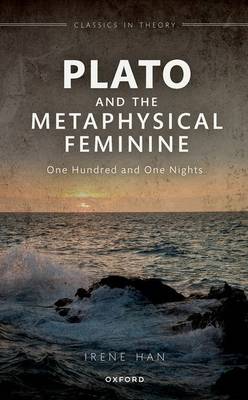
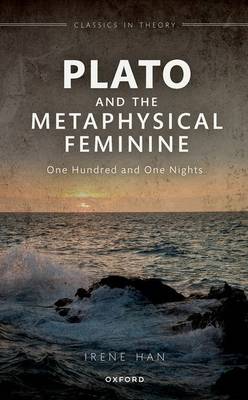
Plato and the Metaphysical Feminine offers a new interpretation of the role of the female and the feminine in Plato's political dialogues--the Republic, Laws, and Timaeus--informed by Deleuze's film theory and Irigaray's psychoanalytic feminism. Irene Han reads Plato against the grain in order to close the gap between the vitalists and Plato, instead of magnifying their differences. Han explores the ambivalence that the vitalist tradition, Irigaray, and Derrida have towards Platonism. The application of Deleuzian and Irigarayan concepts to the ancient texts produces a new reading of Plato, focusing on the centrality and importance of motion, change, sensuality, and becoming to Platonic philosophy and, thereby, reinterprets Platonic philosophy in the direction of Heraclitus rather than Parmenides: as feminist rather than masculinist, and as mimetic. It therefore prioritizes Heraclitean principles of movement and flux over Form, the feminine over masculine, and materiality, feeling, or sensation over abstraction and universal essence. Han's exploration illustrates how, in Plato's thought, the feminine maps itself onto the plane of phenomena--a plane associated with vitalist themes such as motion, tactility, and change (metabolē). Platonic metaphysics is recontextualized by illustrating how Being expresses itself through processes of (feminine) becoming. With this reformulation, the resulting account of Platonic Being destabilizes any purported Platonic dualism.
Specificaties
Betrokkenen
- Auteur(s):
- Uitgeverij:
Inhoud
- Aantal bladzijden:
- 198
- Taal:
- Engels
- Reeks:
Eigenschappen
- Productcode (EAN):
- 9780192849588
- Verschijningsdatum:
- 20/10/2023
- Uitvoering:
- Hardcover
- Formaat:
- Genaaid
- Afmetingen:
- 146 mm x 218 mm
- Gewicht:
- 399 g


Alleen bij Standaard Boekhandel
+ 306 punten op je klantenkaart van Standaard Boekhandel
Cadeau

AANGERADEN


Beoordelingen
We publiceren alleen reviews die voldoen aan de voorwaarden voor reviews. Bekijk onze voorwaarden voor reviews.