


- Afhalen na 1 uur in een winkel met voorraad
- Gratis thuislevering in België vanaf € 30
- Ruim aanbod met 7 miljoen producten
- Afhalen na 1 uur in een winkel met voorraad
- Gratis thuislevering in België vanaf € 30
- Ruim aanbod met 7 miljoen producten





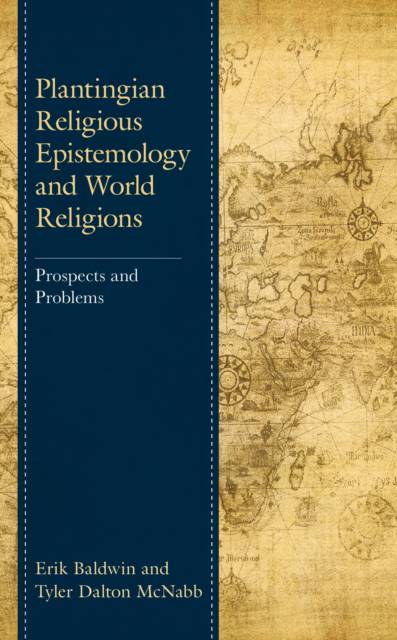
Plantingian Religious Epistemology and World Religions
Prospects and Problems
Erik Baldwin, Tyler Dalton McNabb
€ 203,95
+ 407 punten
Omschrijving
To what extent can non-Christian religious traditions utilize Plantinga's epistemology? And, if there are believers from differing religious traditions that can rightfully utilize Plantinga's religious epistemology, does this somehow prevent a Plantingian's creedal-specific religious belief from being warranted? In order to answer these questions, Baldwin and McNabb first provide an introduction to Plantinga's religious epistemology. Second, they explore the prospects and problems that members of non-Christian religions face when they attempt to utilize Plantingian religious epistemology. Finally, they sketch out possible approaches to holding that a Plantingian's creedal-specific religious belief can be warranted, even given believers from other religious traditions who can also rightfully make full use of Plantinga's religious epistemology.
Specificaties
Betrokkenen
- Auteur(s):
- Uitgeverij:
Inhoud
- Aantal bladzijden:
- 332
- Taal:
- Engels
- Reeks:
Eigenschappen
- Productcode (EAN):
- 9781498552936
- Verschijningsdatum:
- 29/11/2018
- Uitvoering:
- Hardcover
- Formaat:
- Genaaid
- Afmetingen:
- 160 mm x 231 mm
- Gewicht:
- 657 g


Alleen bij Standaard Boekhandel
+ 407 punten op je klantenkaart van Standaard Boekhandel
Cadeau

AANGERADEN


Beoordelingen
We publiceren alleen reviews die voldoen aan de voorwaarden voor reviews. Bekijk onze voorwaarden voor reviews.